Imagine picking up a prescription that carries the highest possible safety alert from the U.S. Food and Drug Administration. The label features a stark black border surrounding text about serious harm or even death. This is an FDA boxed warning, widely known as a black box warning. It is not just a standard caution; it is the most severe tier of drug safety communication mandated by federal regulators. For patients, seeing this on a prescription can trigger immediate anxiety. Does this mean the drug is dangerous? Should you refuse it? The answer is rarely that simple.
As of 2022, research indicates that over 400 medications carry these warnings, representing roughly 10-15% of all prescription drugs available in the United States. These include common treatments for depression, diabetes, cancer, and mental health conditions. Understanding what a boxed warning actually means-and how to navigate the conversation with your doctor-is crucial for making informed health decisions. This guide breaks down the reality behind the black box, separating fear from fact.
What Exactly Is a Black Box Warning?
A boxed warning is a specific regulatory requirement designed to ensure that healthcare providers and patients are fully aware of potentially life-threatening risks before starting therapy. The term "black box" comes from the distinctive black border that surrounds the warning text on medication packaging, package inserts, and official prescribing information. According to the FDA's Drug Advertising Glossary, this visual cue is mandatory to grab attention immediately.
The system evolved after the thalidomide tragedy of the early 1960s, which led to the Kefauver-Harris Amendments of 1962. These amendments strengthened drug safety requirements, requiring proof of efficacy and enhanced safety monitoring. While the concept of strong warnings existed earlier, the specific "black box" format became standardized through regulatory practice in the 1970s and was further codified in guidance documents like FDA-2011-D-0694.
Unlike general side effects lists, a boxed warning highlights risks that are:
- Potentially fatal: Risks that could lead to death if not managed.
- Severe and irreversible: Conditions causing permanent disability or organ damage.
- Highly specific: Often tied to certain patient populations or dosages.
For example, isotretinoin (formerly Accutane) carries a boxed warning due to severe birth defect risks. This requires enrollment in the iPLEDGE risk management program, where strict monitoring prevents use during pregnancy. Similarly, many antidepressants carry a boxed warning regarding increased suicide risk in children and young adults, requiring close behavioral monitoring.
How Boxed Warnings Differ From Other Safety Alerts
Not all drug safety communications are created equal. The FDA uses a hierarchy of alerts, and understanding where a boxed warning sits helps contextualize its severity.
| Communication Type | Severity Level | Timing | Legal Status |
|---|---|---|---|
| Boxed Warning | Highest | At approval or post-market | Legally binding part of labeling |
| Drug Safety Communication | High | Post-market (emerging risks) | Public alert, not always in label | Label Changes (No Box) | Moderate | Post-market | Updated prescribing info |
| Medication Guide | Varies | Provided with dispensing | Patient-friendly summary |
According to GoodRx’s 2023 analysis, approximately 70% of boxed warnings are added after a drug has been on the market. Clinical trials typically involve 1,000 to 5,000 participants, which may not catch rare but severe side effects. Once millions of people take the drug, real-world data reveals risks that weren't visible in smaller studies. This is why a drug approved safely today might receive a boxed warning five years later.
It is also important to note that boxed warnings cannot be used in "reminder ads." The FDA prohibits advertisements that mention only the drug name without including the full risk context. This ensures that marketing does not overshadow safety concerns.
Common Medications With Boxed Warnings
You might be surprised by how many common prescriptions carry these warnings. Based on FDA database analysis from 2022, the therapeutic categories with the most boxed warnings include:
- Cancer Therapies (45 drugs): Many chemotherapy agents carry warnings for severe immune suppression, organ toxicity, or secondary cancers.
- Antipsychotics (27 drugs): Warnings often relate to increased mortality in elderly patients with dementia-related psychosis or metabolic syndrome.
- Antidepressants (22 drugs): Primarily concerning suicidal thoughts in younger patients and serotonin syndrome when combined with other serotonergic drugs.
- Diabetes Medications (18 drugs): Recent updates include warnings for SGLT2 inhibitors regarding urinary tract infections and amputation risks for certain older diabetes drugs.
For instance, in September 2023, the FDA issued a new boxed warning for sodium-glucose cotransporter-2 (SGLT2) inhibitors regarding serious urinary tract infections. This affects five popular diabetes medications used by approximately 8 million Americans. Another notable case is methotrexate, which has carried a boxed warning for liver toxicity for over 25 years, requiring regular blood tests to monitor liver function.
What This Means for You: The Patient Perspective
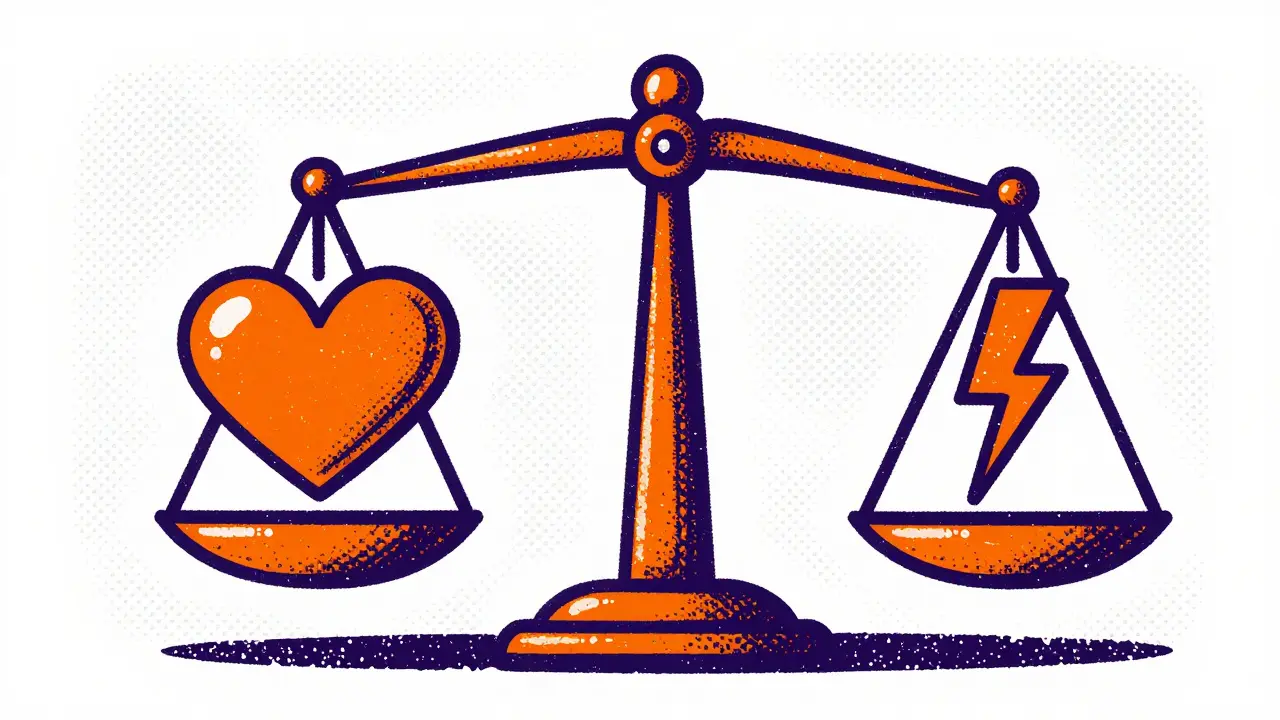
If your doctor prescribes a medication with a black box warning, it does not automatically mean the drug is too dangerous for you. As Cleveland Clinic pharmacist Meghan Lehmann, PharmD, RPh, emphasizes, it signals the need for careful consideration of individual circumstances. The goal is balance: weighing the potential for serious harm against the benefit of treating a serious condition.
However, patient understanding varies significantly. A 2022 survey by the National Patient Safety Foundation found that 41% of patients prescribed medications with boxed warnings misunderstood them to mean they should avoid the medication entirely. Only 12% correctly understood that it meant discussing risks with their provider. This gap in knowledge can lead to untreated conditions or unnecessary anxiety.
To bridge this gap, experts recommend the following approach when receiving such a prescription:
- Ask for the "Why": Why is this specific drug necessary for your condition? Are there alternatives without boxed warnings?
- Understand Your Personal Risk: Do you have factors that increase susceptibility? For example, age, kidney function, or other medications?
- Know the Monitoring Plan: What tests or check-ins are required? For drugs like warfarin or lithium, regular blood work is non-negotiable.
- Identify Red Flags: What symptoms should prompt an immediate call to your doctor or emergency services?
The American Academy of Family Physicians (AAFP) recommends physicians use the "teach-back" method. This means asking you to repeat back the key risks and instructions in your own words to ensure true understanding.
Limitations and Criticisms of the System
While boxed warnings are powerful tools, they are not perfect. Dr. Jerry Avorn, Professor of Medicine at Harvard Medical School, has criticized some warnings for being too broad. If a warning applies to a small subset of patients but scares away everyone, beneficial treatments may go unused. This phenomenon is known as "warning fatigue" or underutilization.
Data supports this concern. The Institute for Clinical and Economic Review (ICER) published a 2021 report noting that while boxed warnings successfully reduce inappropriate prescribing by 15-25%, they may also decrease appropriate use by 10-20% due to physician liability fears. Additionally, Dr. Thomas J. Moore of the Institute for Safe Medication Practices found in a 2019 study that 44% of boxed warnings were issued more than five years after a drug's approval, indicating delayed recognition of serious risks.
This delay highlights the limitation of clinical trials. They are snapshots in time, whereas real-world usage is continuous. The FDA’s Sentinel Initiative, launched in 2008 and expanded in 2020, now monitors real-world safety for over 300 million Americans using electronic health records. This aims to accelerate future warning decisions, but gaps remain. A May 2023 Government Accountability Office report found that only 60% of required post-marketing studies to evaluate boxed warning risks were completed on time between 2015 and 2022.
How to Advocate for Your Safety
You are an active participant in your healthcare. Here is how to stay safe when dealing with high-risk medications:
- Use Independent Resources: Consult evidence-based sources like Consumer Reports Best Buy Drugs or the Drug Effectiveness Review Project (DERP). These provide comparisons that contextualize risks relative to benefits.
- Report Side Effects: The FDA’s MedWatch program allows patients to report adverse events directly. Over 2 million reports are submitted annually. Your experience could help identify risks for others.
- Check for Updates: Drug labels change. If you’ve been on a medication for years, ask your pharmacist if any new warnings have been added.
- Discuss Alternatives: Ask if generic versions or different classes of drugs exist with lower risk profiles. Sometimes, a slightly less effective drug with fewer risks is the better choice.
Remember, the pharmaceutical industry spends approximately $1.2 billion annually on risk management programs for high-risk medications. This underscores the seriousness of these warnings. However, medications with boxed warnings still account for roughly $120 billion in annual U.S. prescription sales, showing that millions of patients safely use them every day with proper monitoring.
The Future of Drug Safety Communications
The landscape is evolving. In January 2024, FDA Commissioner Dr. Robert Califf stated in congressional testimony that the agency is moving toward "more nuanced, patient-specific risk information rather than one-size-fits-all black box warnings." A 2023 pilot program aims to make warnings more patient-centered through plain language summaries.
Additionally, global differences matter. The European Medicines Agency (EMA) uses "special warnings and precautions for use," which creates challenges for multinational companies. For patients traveling or comparing international treatments, understanding these regulatory nuances can prevent confusion.
Ultimately, a black box warning is a tool for transparency, not a prohibition. It demands dialogue. By asking questions, understanding your personal risk profile, and adhering to monitoring schedules, you can harness the benefits of powerful medications while minimizing dangers.
Does a black box warning mean I shouldn't take the medication?
No. A black box warning indicates serious risks that require careful management, not that the drug is unsafe for everyone. Many patients take these medications safely for years. The decision depends on your individual health profile and whether the benefits outweigh the risks.
Why do some drugs get black box warnings after being on the market for years?
Clinical trials involve limited numbers of people (1,000-5,000) and short durations. Rare but severe side effects often only appear when millions of diverse patients use the drug over longer periods. Post-marketing surveillance detects these emerging risks.
Can I sue my doctor if I suffer a side effect listed in a black box warning?
This is a complex legal question. Generally, doctors must inform you of known risks (informed consent). If they failed to discuss the black box warning or monitor you as required, you may have grounds for a claim. However, if risks were discussed and you agreed to treatment, lawsuits are harder to win. Consult a medical malpractice attorney for specific advice.
How can I find out if my current medication has a black box warning?
You can check the FDA's DailyMed website or ask your pharmacist. The warning will be prominently displayed at the beginning of the official prescribing information. Pharmacists are also required to provide Medication Guides for certain high-risk drugs.
Are black box warnings different in Europe compared to the US?
Yes. The European Medicines Agency (EMA) uses "special warnings and precautions for use" instead of black boxes. While the intent is similar-highlighting serious risks-the formatting and regulatory processes differ, which can affect how drugs are labeled and prescribed globally.