
If you or someone you know has HIV, the first question is usually about medication. Antiretroviral therapy (or ART) is the standard way to keep the virus under control. It isn’t a cure, but it can shrink the virus to undetectable levels, improve health, and lower the chance of passing it on.
ART combines three or more drugs that hit the virus at different stages. By attacking from multiple angles, the treatment stops the virus from making copies of itself. This keeps your immune system stronger and reduces the risk of AIDS‑related illnesses.
Each drug in an ART regimen has a specific job. Some block the virus from entering cells, others stop it from turning its RNA into DNA, and some stop the new virus particles from leaving the cell. When you take all the drugs together, the virus finds it hard to develop resistance.
Doctors pick a regimen based on your health, any other meds you take, and possible side effects. Modern combos are once‑daily pills, making it easier to stick to the schedule. Sticking to the plan is the most important factor for success.
Do I need to fast before taking ART? Most pills can be taken with food, but a few need an empty stomach. Your pharmacist will tell you the exact timing.
What side effects should I watch for? Mild nausea, headache, or fatigue are common at the start. If you notice severe reactions, contact your doctor right away. Many side effects fade after the first few weeks.
How often do I need blood tests? Usually every 2–3 months to check viral load and kidney or liver function. These visits help your doctor adjust the regimen if needed.
Starting ART can feel overwhelming, but your healthcare team is there to guide you. Ask about medication assistance programs if cost is a concern—many insurers and charities help reduce out‑of‑pocket expenses.
Beyond the meds, healthy habits boost ART effectiveness. Regular exercise, a balanced diet, and quitting smoking all support your immune system. Keep a simple pill organizer or set daily alarms to stay on track.
PharmaCorner offers more articles that dive deeper into specific ART drugs, managing side effects, and living well with HIV. Browse the tag “antiretroviral therapy” to find practical tips, patient stories, and the latest research updates.
Remember, ART is a partnership between you and your doctor. Stay informed, ask questions, and stick to the plan—you’ll see the benefits in your health and quality of life.

Trace the journey of HIV from its 1980s discovery to today’s advanced antiretroviral treatments, highlighting key milestones, scientists, and breakthroughs.

By 2025, managing pain requires a deeper understanding of available options beyond Diclofenac. The article delves into alternatives such as opioid analgesics and discusses their effectiveness, benefits, and drawbacks. Strong pain relievers like Tramadol and Oxycodone offer relief for severe conditions but come with notable risks. Readers will gain practical insights on making informed choices regarding pain management.
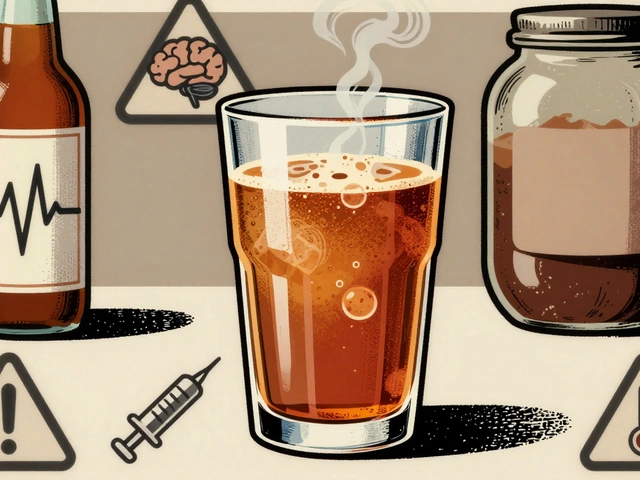
Kombucha contains trace alcohol that can interact dangerously with medications like metronidazole, SSRIs, and diabetes drugs. Learn what levels are safe, how to spot risky products, and what to do if you're on alcohol-sensitive meds.
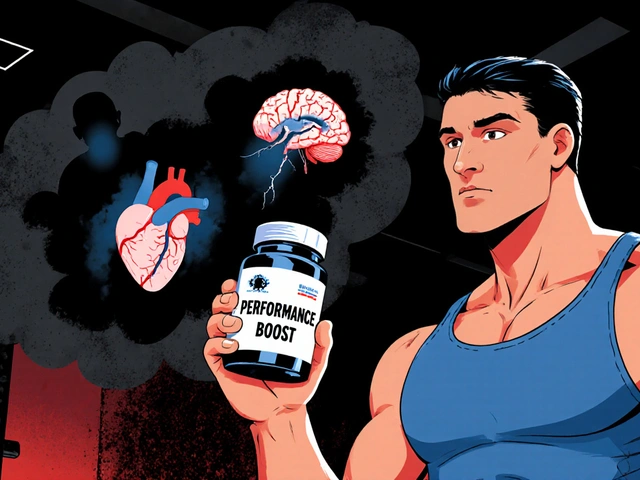
Explore how common performance‑enhancing drugs affect athletes' health, the key side effects, real‑world data, and safe alternatives for optimal performance.
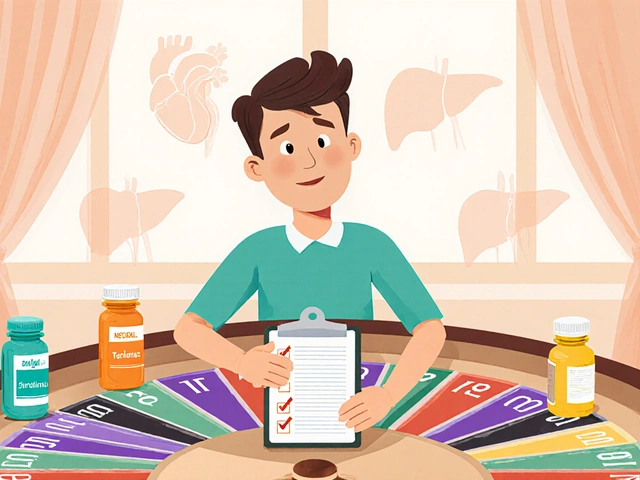
A detailed side‑by‑side comparison of Neoral (Cyclosporine) with Tacrolimus, Sirolimus, Mycophenolate, and Azathioprine, covering mechanisms, dosing, side effects, cost and monitoring.
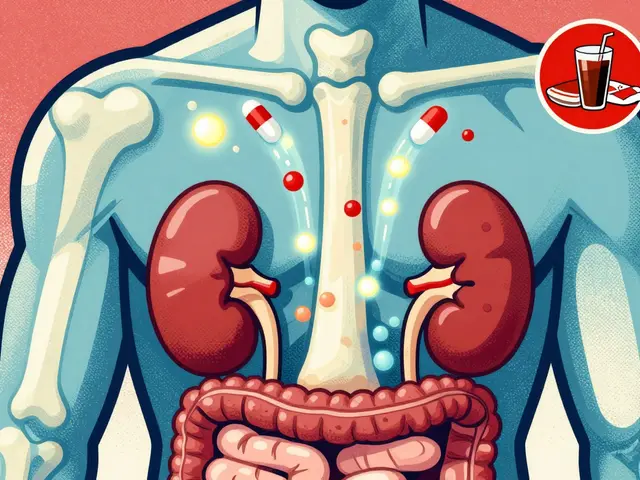
Learn how to manage hypoparathyroidism with calcium and vitamin D, including dosing, diet, monitoring, and when to consider newer PTH therapies. Avoid kidney damage and stabilize your symptoms with proven strategies.