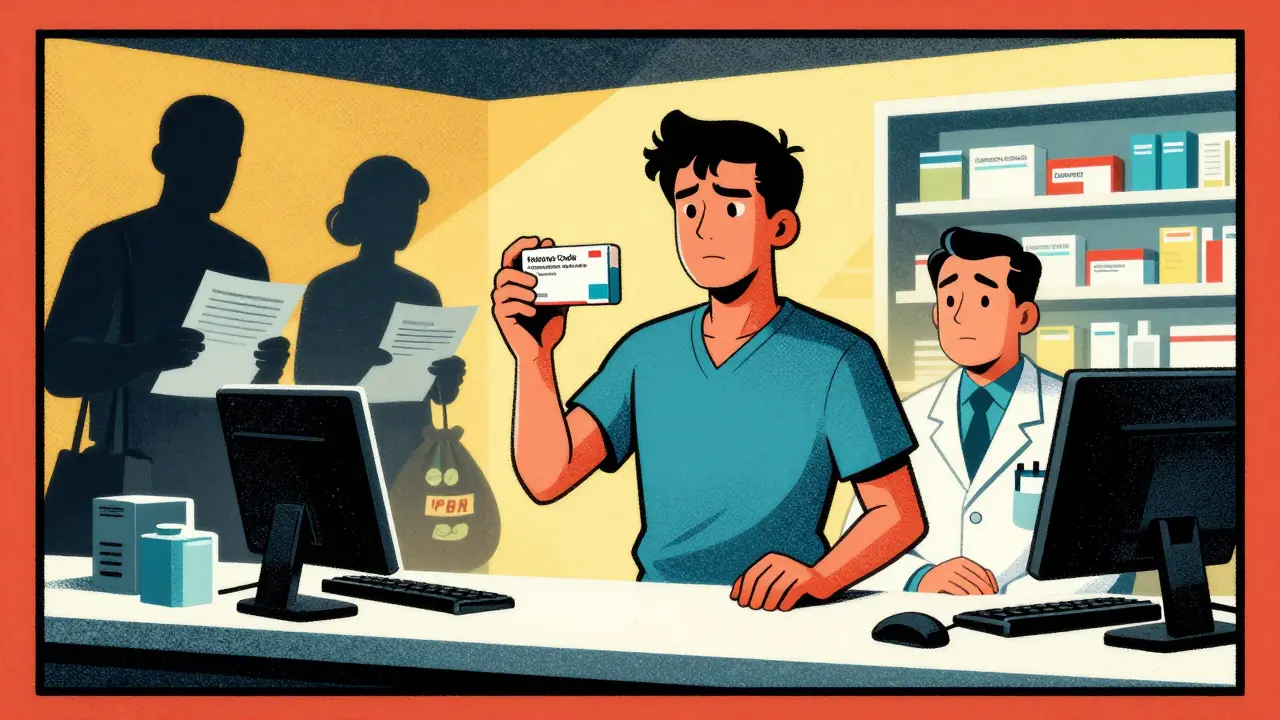
Have you ever picked up a refill for your regular prescription, only to feel completely different within days? Maybe your anxiety spiked, your focus vanished, or you developed a headache that wasn't there before. You might blame stress, diet, or sleep. But if the pill in your hand looks slightly different-different color, shape, or imprint-you might have been switched to a new generic manufacturer without your knowledge.
This is not paranoia. It is a documented phenomenon affecting millions of patients. While generic medications are required by regulatory bodies like the FDA to contain the same active ingredients as brand-name drugs, they can differ in inactive ingredients and manufacturing processes. For most people, this doesn't matter. But for some, especially those on sensitive medications, these subtle differences can trigger real, sometimes severe, side effects. Knowing when to worry-and what to do about it-is crucial for your health.
The Myth of Perfect Interchangeability
We are often told that generics are identical to brand-name drugs. Technically, they are "bioequivalent." This means the generic must deliver between 80% and 125% of the drug's concentration into your bloodstream compared to the brand name. On paper, this sounds safe. In practice, it allows for a significant margin of error.
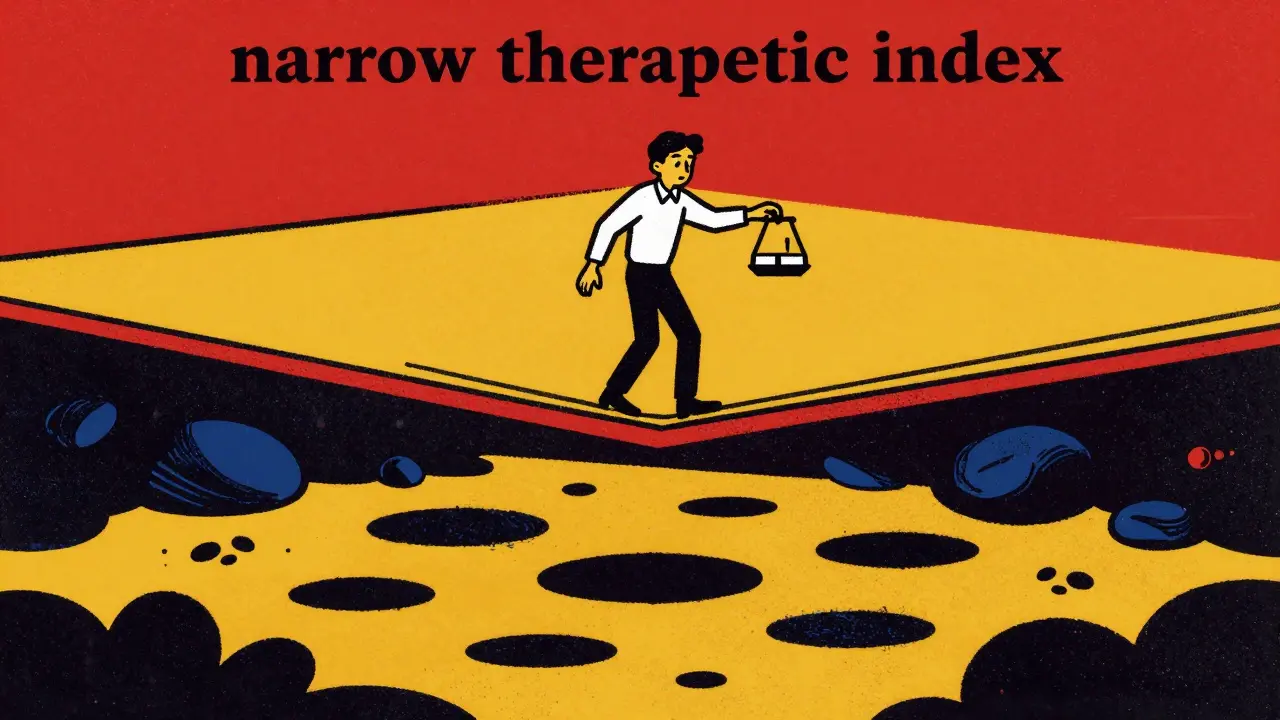
Consider two different generic versions of the same medication. One might be at the low end of the absorption range (80%), while another is at the high end (125%). That creates a potential 45% difference in how much drug actually reaches your system. For a common painkiller, this variance is negligible. Your body handles it fine. But for medications with a narrow therapeutic index-where the line between effective treatment and toxicity is razor-thin-this gap can be dangerous.
Drugs in this category include thyroid medications like levothyroxine, seizure medications such as phenytoin or divalproex sodium, blood thinners like warfarin, and immunosuppressants like tacrolimus. Even small fluctuations in dosage delivery can lead to treatment failure or adverse events. The FDA acknowledges this risk, which is why they apply stricter equivalence standards (90-111%) for these specific drugs, yet issues still arise due to individual patient biology.
Why Do Pharmacies Keep Changing Manufacturers?
If you've noticed your pills changing appearance every few months, you aren't imagining things. The driver behind this constant switching is rarely clinical; it is financial. Pharmacy Benefit Managers (PBMs) act as intermediaries between insurance companies and pharmacies. They negotiate rebates from drug manufacturers.
Here is how it works: A PBM might decide that Manufacturer A offers a better rebate than Manufacturer B for a specific generic statin. Suddenly, all pharmacies under that network switch to Manufacturer A. Months later, Manufacturer C offers a deeper discount. Everyone switches again. According to industry data, PBMs change preferred generic manufacturers an average of 4.7 times annually per drug. This churning happens to save money, often without notifying the patient or considering their medical history.
For stable conditions, this might cause minor annoyance. For complex conditions, it disrupts stability. A 2019 study published in *BMJ Open* found that patients with cardiovascular disease who switched between generic products had a 12.3% increased risk of hospitalization within 30 days of the switch. That statistic alone should make us pause.
High-Risk Medications: Who Should Be Worried?
Not all generics are created equal, and not all patients react the same way. Certain drug classes pose higher risks when switched. If you take any of the following, you need to be vigilant:
- Thyroid Medications: Levothyroxine is notoriously sensitive. Small changes in absorption can alter thyroid hormone levels, leading to fatigue, weight gain, or heart palpitations. Many endocrinologists recommend staying with one manufacturer indefinitely.
- Antiepileptics: Seizure control requires precise blood levels. A survey of neurologists found that nearly 70% believe generic switches increase breakthrough seizure risk. Extended-release formulations are particularly problematic because different manufacturers use different bead-release technologies.
- Psychiatric Drugs: ADHD medications like Adderall XR and certain antidepressants rely on steady release mechanisms. Patients frequently report sudden returns of symptoms or new anxiety after a switch. A MedShadow survey found over 60% of ADHD patients noticed decreased efficacy after a manufacturer change.
- Immunosuppressants: Transplant patients taking tacrolimus or cyclosporine face life-threatening risks if drug levels drop too low, potentially leading to organ rejection.
If you fall into one of these categories, you are not "just being difficult" when you ask for consistency. You are protecting your health.
Signs You’ve Been Negatively Affected by a Switch
How do you know if the new generic is causing problems? Symptoms usually appear within 24 to 72 hours of taking the first dose of the new formulation. Watch for these red flags:
- Return of Original Symptoms: If your depression lifts, your seizures stop, or your attention improves, but then suddenly worsens after a refill, check the pill box.
- New Side Effects: Headaches, nausea, insomnia, or jitteriness that weren't present before.
- Physical Changes in the Pill: Different color, shape, size, or imprint code. This is your visual cue that the manufacturer has changed.
Don't ignore these signs. Document them. Note the date of the refill, the appearance of the pill, and the onset of symptoms. This data is powerful when talking to your doctor or pharmacist.
What You Can Do: Taking Control of Your Prescriptions
You have more power than you think. Here are practical steps to manage generic switching:
- Check the NDC Code: Every prescription box has a National Drug Code (NDC). The first segment identifies the manufacturer. Save the NDC of the version that works for you. Show it to your pharmacist next time.
- Ask for "Dispense as Written": For narrow therapeutic index drugs, ask your doctor to write "DAW 1" or "Substitution Not Permitted" on the prescription. This legally prevents the pharmacist from swapping brands without authorization.
- Talk to Your Pharmacist: Pharmacists often know which manufacturers are currently favored by PBMs. Ask if they can order a specific manufacturer for you, even if it costs slightly more out-of-pocket. Consistency is worth the extra $5 or $10.
- Maintain a Medication Log: Track your refills, manufacturer names, and any side effects. This log provides concrete evidence for your healthcare provider to adjust your care plan.
In 2023, CMS issued guidance limiting generic manufacturer changes for Medicare Part D plans to no more than twice a year. This is a step forward, but private insurance plans vary widely. Advocacy is key.
When to Seek Immediate Medical Attention
While most switching issues are manageable with monitoring, some require urgent care. Seek immediate help if you experience:
- Signs of serotonin syndrome (agitation, confusion, rapid heart rate) after switching antidepressants.
- Bleeding issues or bruising easily after switching anticoagulants like warfarin.
- Breakthrough seizures or prolonged aura episodes.
- Severe allergic reactions (rash, swelling, difficulty breathing).
Never stop taking your medication abruptly without consulting your doctor, even if you suspect the generic is causing harm. Sudden cessation can be far more dangerous than the side effects themselves.
Conclusion: Your Health Is Not a Compromise
Generic drugs are a miracle of modern medicine, making essential treatments affordable for billions. They save the US healthcare system hundreds of billions annually. However, affordability should never come at the cost of safety for vulnerable patients. The current system prioritizes cost savings over clinical consistency, leaving many patients to navigate the fallout alone.
By understanding the risks, recognizing the signs, and advocating for yourself, you can ensure that your medication works as intended. Don't accept instability as normal. Ask questions. Check labels. Demand consistency where it matters most. Your health is worth the effort.
Are generic drugs always just as effective as brand-name drugs?
For the majority of patients and most medications, yes. Generic drugs must meet strict bioequivalence standards set by regulators like the FDA. However, for drugs with a narrow therapeutic index or complex delivery systems, individual patients may experience differences in efficacy or side effects due to variations in inactive ingredients or absorption rates.
Can I refuse a generic substitution?
Yes. You can request the brand-name drug or a specific generic manufacturer. Your doctor may need to write "Dispense as Written" (DAW) on the prescription to prevent automatic substitution. Be aware that your insurance may charge a higher copay for the brand name or non-preferred generic.
Why does my pill look different every time I refill?
Pharmacies often switch generic manufacturers based on contracts with Pharmacy Benefit Managers (PBMs) that offer the best rebates. Since different manufacturers use different colors, shapes, and inactive ingredients, your pill may change appearance frequently even though the active ingredient remains the same.
Which medications are most risky to switch?
Medications with a narrow therapeutic index are the highest risk. These include thyroid hormones (levothyroxine), anticonvulsants (phenytoin, valproic acid), blood thinners (warfarin), immunosuppressants (tacrolimus), and some psychiatric drugs (lithium, certain ADHD stimulants). Small changes in dosage delivery can have significant clinical consequences for these drugs.
How long does it take for side effects from a generic switch to appear?
Symptoms typically emerge within 24 to 72 hours after taking the first dose of the new formulation. However, for some conditions like thyroid disorders, it may take several weeks for blood levels to stabilize and symptoms to become apparent.