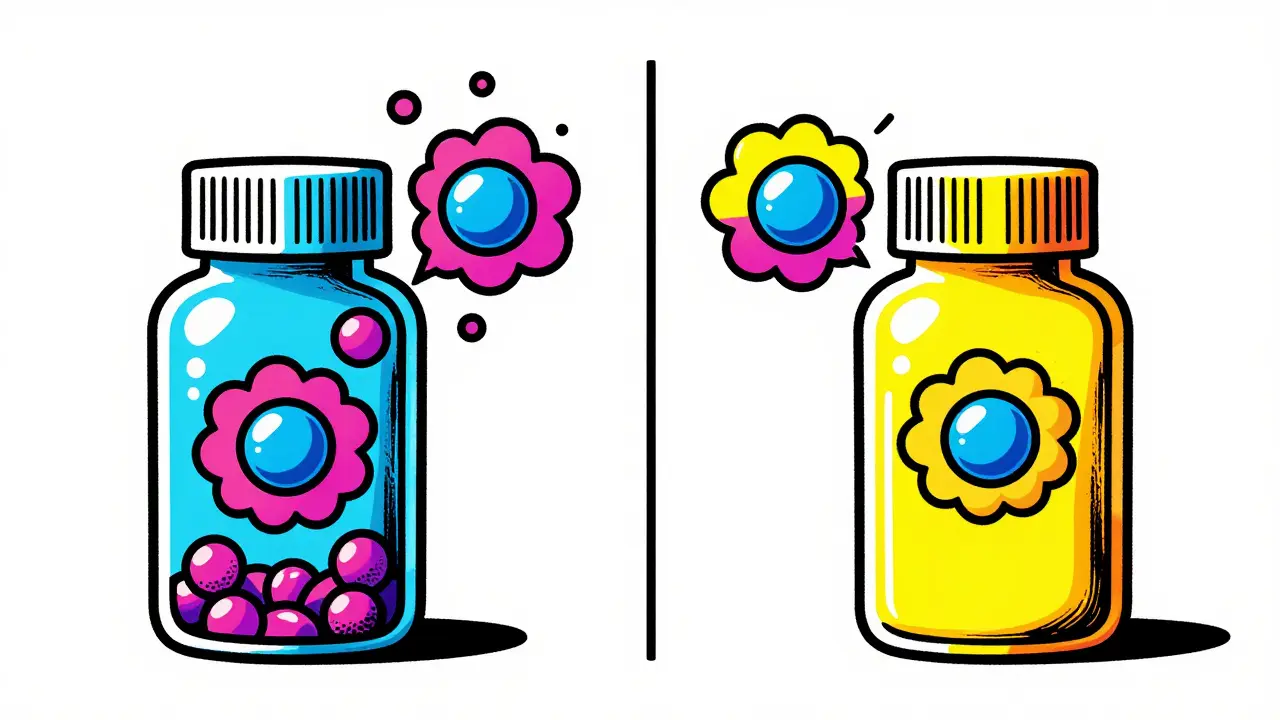
Have you ever switched to a cheaper generic version of your prescription, only to feel like it just doesn’t work the same way? Maybe you get more nausea, or perhaps the relief isn’t as strong. It’s a frustrating experience that leaves many patients wondering if they should pay extra for the brand-name drug. You are not imagining things, and you are definitely not alone. While the active medicine inside is legally required to be identical, the rest of the pill-the so-called "inactive" ingredients-can vary significantly between manufacturers.
This article breaks down exactly what these inactive ingredients are, why they matter, and how they can change your experience with a medication. We will look at the science behind bioequivalence, identify which drugs carry higher risks when switching, and give you practical steps to manage any side effects without breaking the bank.
What Are Inactive Ingredients?
To understand why a generic might feel different, we first need to look at what goes into a pill besides the actual medicine. These non-therapeutic components are technically called excipients, but most people know them as inactive ingredients. They serve critical technical functions: holding the tablet together, controlling how fast it dissolves in your stomach, protecting the drug from moisture, and even making it taste better or easier to swallow.
Common examples include fillers like lactose or microcrystalline cellulose, binders such as povidone, and coatings made from hydroxypropyl methylcellulose. The U.S. Food and Drug Administration (FDA) requires all these substances to be Generally Recognized As Safe (GRAS). However, "safe" does not mean "hypoallergenic" for every single person. If you have specific sensitivities, these supporting players can cause real physical reactions.
| Ingredient Type | Examples | Function | Potential Sensitivity |
|---|---|---|---|
| Fillers | Lactose, Starch | Adds bulk to the tablet | Lactose intolerance, Gluten sensitivity |
| Binders | Povidone, HPMC | Holds the tablet together | Rare, but possible GI upset |
| Coatings | Titanium Dioxide, Dyes | Color, protection, ease of swallowing | Allergic reactions to dyes |
| Preservatives | Sodium Benzoate, Parabens | Prevents microbial growth | Asthma triggers (Sulfites) |
The Science of Bioequivalence
You might ask, if the inactive ingredients differ, how can the FDA approve the generic as equivalent? The answer lies in a concept called bioequivalence. This regulatory standard ensures that the generic drug delivers the same amount of active ingredient into your bloodstream over the same period as the brand-name drug.
The FDA mandates that the 90% confidence interval for absorption rates falls within 80% to 125% of the brand-name drug. In practice, this means the difference is usually much smaller-often around 3.5% to 4%. For the vast majority of medications, this tiny variance is clinically insignificant. A study published in JAMA Internal Medicine in 2021 analyzed 2,000 switches from brand to generic and found that 94.7% showed no clinically significant differences. Only about 1% of patients experienced effects severe enough to warrant switching back to the brand-name version.
However, that small percentage matters if you are in it. The variability allowed by regulations is designed for population averages, not individual biological quirks. When a manufacturer changes the filler or the coating, it can slightly alter how quickly the tablet disintegrates in your gut, potentially affecting peak concentration levels for sensitive individuals.

When Inactive Ingredients Cause Real Problems
While most people tolerate generics perfectly well, certain groups face higher risks due to their health conditions or allergies. Understanding these scenarios helps you decide whether to push through side effects or seek an alternative.
- Lactose Intolerance: Lactose is used as a filler in approximately 40% of oral medications. If you are lactose intolerant, switching to a generic with a different filler profile might trigger bloating or diarrhea where the brand-name version did not.
- Narrow Therapeutic Index (NTI) Drugs: These are medications where the difference between a helpful dose and a harmful dose is very small. Examples include levothyroxine (for thyroid issues), warfarin (blood thinner), and digoxin (heart failure). Even minor variations in absorption caused by different excipients can lead to unstable blood levels. Experts recommend staying on the same manufacturer for these drugs whenever possible.
- Dye and Preservative Allergies: Some patients react to artificial colors like tartrazine (yellow dye #5) or preservatives like sulfites. Asthmatics, in particular, may find that sulfites in certain generic liquid formulations trigger breathing difficulties.
If you fall into one of these categories, the "feel" of the medication changing is likely due to these specific excipients rather than the active drug itself.
Real-World Patient Experiences
Data from clinical studies gives us the big picture, but patient forums reveal the daily reality. On platforms like Reddit’s r/pharmacy community, discussions about generic switches are frequent. In a notable 2023 thread, 68% of commenters reported no difference, but 24% noted minor side effects, mostly gastrointestinal issues like nausea or stomach upset. About 8% reported significant differences that forced them to switch back to the brand-name drug.
Common complaints often center around antidepressants and thyroid medications. One user noted that the generic version of sertraline caused more nausea, likely due to different fillers irritating the stomach lining. Another patient shared that switching to a generic version of Synthroid (levothyroxine) caused their TSH levels to go out of range, requiring a return to the original brand. These anecdotes highlight that while rare, the impact can be substantial for those affected.
How to Manage Switching to Generics
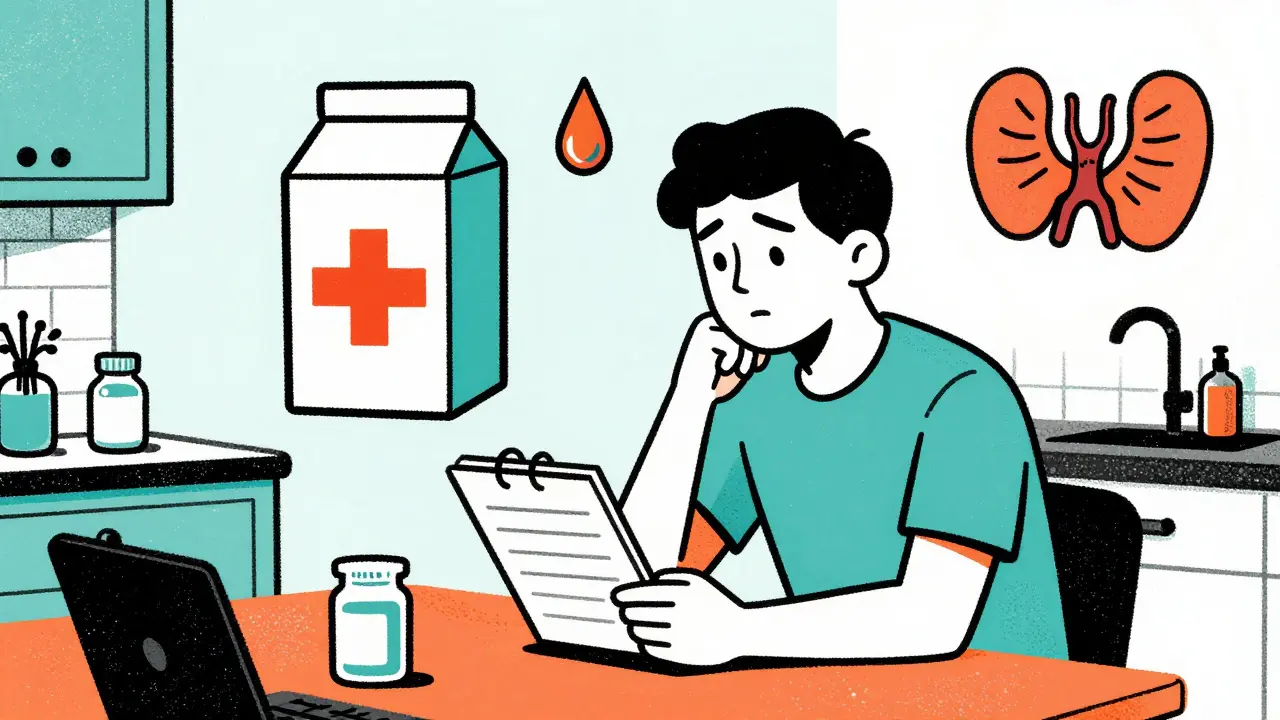
If you suspect your generic medication is causing issues, don’t just stop taking it. Instead, take a proactive approach to ensure you get both the cost savings and the therapeutic benefit you need.
- Check the Ingredient List: Ask your pharmacist for the list of inactive ingredients for both the brand-name and generic versions. Compare them against known allergens or sensitivities you have.
- Maintain a Medication Diary: For two to four weeks after switching, track any new symptoms. Note the time of day you take the pill, what you ate, and any side effects. This data helps your doctor determine if the reaction is related to the drug formulation.
- Request a Specific Manufacturer: Sometimes, a pharmacy switches generic suppliers without notice. You can ask your doctor to write "Dispense as Written" (DAW) for the brand name, or specify a particular generic manufacturer if you know one works for you. Insurance approval may be needed.
- Consider Authorized Generics: These are generic versions produced by the original brand-name company. They contain identical inactive ingredients but are sold at a lower price. They represent about 15% of the generic market and can be a perfect middle ground.
Cost vs. Comfort: Making the Decision
The financial argument for generics is undeniable. Brand-name drugs typically cost 80% to 85% more than their generic counterparts. For example, Lipitor (atorvastatin) can cost around $370 per month as a brand-name drug, while the generic version costs roughly $4. Over a year, that’s a savings of thousands of dollars.
For most patients, the minor risk of inactive ingredient sensitivity is worth the massive cost reduction. However, if you are among the 1% to 4% who experience significant side effects, the cost-benefit analysis shifts. In these cases, paying for the brand-name drug or finding a compatible generic manufacturer is a valid medical decision. Always discuss these options with your healthcare provider before making changes to your regimen.
Are generic drugs less effective than brand-name drugs?
No. Generic drugs must contain the same active ingredient in the same strength and dosage form as the brand-name drug. They are required to meet strict FDA bioequivalence standards, ensuring they deliver the same therapeutic effect. Any perceived difference in effectiveness is usually due to placebo effects or rare sensitivities to inactive ingredients, not the active medicine itself.
Can I ask my pharmacist for a specific generic manufacturer?
Yes, you can request a specific manufacturer, but it depends on your insurance coverage and pharmacy stock. Pharmacists often receive generics from various distributors. If you have had a good experience with one brand's generic, you can ask your doctor to specify that manufacturer on the prescription, though insurance may require prior authorization.
What are Narrow Therapeutic Index (NTI) drugs?
NTI drugs are medications where a small change in blood concentration can lead to treatment failure or toxicity. Examples include levothyroxine, warfarin, and phenytoin. Because the margin for error is so slim, experts recommend sticking with the same manufacturer (brand or generic) for these drugs to avoid fluctuations in efficacy.
Why do generic pills look different from brand-name pills?
Trademark laws prevent generic manufacturers from copying the exact color, shape, and imprint of brand-name drugs. Therefore, generics often look different. Additionally, different manufacturers use different inactive ingredients for coloring and coating, which further contributes to visual differences.
Do all generic drugs contain lactose?
No, but lactose is a common filler used in about 40% of oral medications. If you are lactose intolerant, you should check the inactive ingredient list on the package insert or ask your pharmacist. Many manufacturers offer lactose-free alternatives, especially for popular chronic condition medications.