Feeling exhausted, gaining weight despite eating less, or struggling with brain fog? For millions of people, these are not just bad habits-they are signs of an underactive thyroid. The standard solution is levothyroxine, a synthetic form of the thyroid hormone thyroxine (T4). It is one of the most prescribed medications in the world, yet it remains one of the most misunderstood. Many patients believe that once they find the right dose, they can set their prescription and forget about it. This assumption is dangerous.
Levothyroxine has a narrow therapeutic index. This means the difference between a dose that makes you feel normal and a dose that causes heart palpitations or anxiety is very small. A slight change in your body weight, age, or other medications can throw your levels off balance. Proper monitoring is not optional; it is the only way to ensure this life-saving drug works safely. Here is what you need to know about staying safe on levothyroxine, from testing schedules to the hidden risks of brand switching.
Understanding Levothyroxine and Hypothyroidism
To understand why monitoring matters, you first need to understand what the medication does. Hypothyroidism is a condition where the thyroid gland does not produce enough hormones to regulate metabolism. Without enough thyroid hormone, your body’s processes slow down. Levothyroxine replaces the missing hormone, effectively restoring your metabolic engine to normal speed.
It is crucial to realize that levothyroxine is T4 (thyroxine), not T3 (triiodothyronine). Your body converts T4 into the active T3 hormone as needed. Because this conversion happens naturally in your tissues, levothyroxine is generally safer and more stable than older treatments that contained animal thyroid extracts or mixed hormones. Studies show that approximately 90% of patients achieve full symptom resolution within three to six months of proper dose adjustment. However, "proper" is the key word here. Improper dosing leads to two distinct problems: remaining hypothyroid (under-treated) or becoming hyperthyroid (over-treated).
The Critical Role of TSH and Free T4 Testing
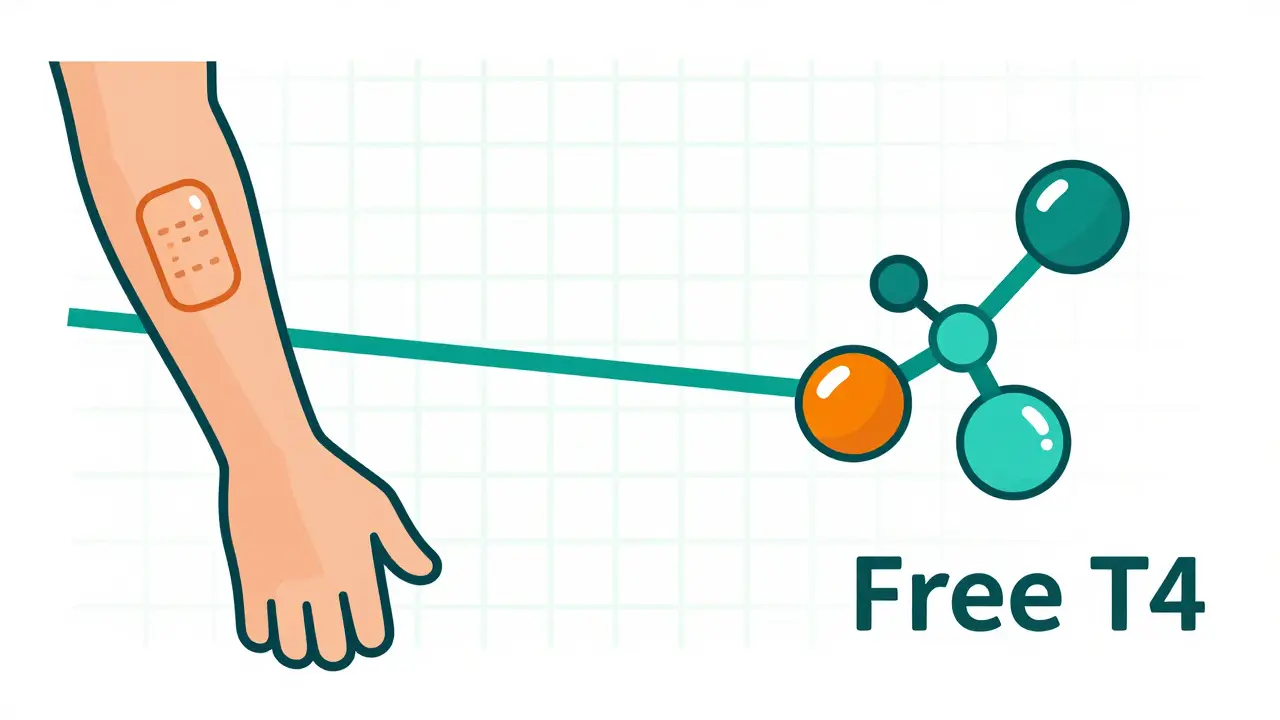
You cannot manage what you do not measure. The primary tool for monitoring levothyroxine therapy is blood testing, specifically looking at Thyroid Stimulating Hormone (TSH) and Free T4 levels. TSH is a hormone produced by the pituitary gland that signals the thyroid to produce more hormone. When your thyroid levels are low, TSH rises. When they are high, TSH drops. It acts as a feedback loop.
Here is how the testing timeline should work according to guidelines from the Specialist Pharmacy Service (SPS) and the American Thyroid Association:
- Baseline: Before starting treatment, doctors check ECG, Free T4, and TSH to establish a starting point.
- Initial Adjustment Phase: After starting or changing a dose, wait six weeks. Why six weeks? It takes roughly four to six weeks for thyroid hormone levels to stabilize in the bloodstream. Testing earlier gives inaccurate results. Repeat every three months until stable.
- Stable Phase: Once you have two consecutive TSH results within the reference range, spaced three months apart, you are considered stable. At this stage, annual testing is the minimum requirement, even if you feel fine.
- Pregnancy or Major Changes: If you are pregnant or post-partum, testing frequency increases to monthly because your body’s demand for thyroid hormone changes rapidly.
A common mistake patients make is assuming that feeling good means their levels are perfect. You can have subclinical issues-like slightly elevated cholesterol or mild fatigue-that only show up in blood tests. Annual checks are non-negotiable for long-term health.
Dose Adjustments: Who Needs Caution?
Not all patients are treated equally when it comes to adjusting doses. Doctors use risk stratification to decide how aggressively to increase or decrease your dosage. Understanding your risk category helps you advocate for yourself during appointments.
| Risk Category | Definition | Adjustment Increment | Frequency of Review |
|---|---|---|---|
| Low Risk | Under 65, no cardiac disease, no severe hypothyroidism | 25-50 micrograms | Every 4 weeks |
| High Risk | Over 65, history of heart disease, adrenal insufficiency, or thyroid cancer | 25 micrograms (start low, go slow) | Every 4 weeks (cautious) |
If you fall into the high-risk category, rapid dose increases can strain your heart, potentially causing angina or arrhythmias. This is why elderly patients or those with existing heart conditions start with lower doses. If you are over 65, ask your doctor if your target TSH range is adjusted. Recent discussions in endocrinology suggest that slightly higher TSH levels (up to 7.5 mIU/L) may be acceptable and safer for older adults compared to the strict 0.5-4.5 mIU/L range used for younger patients.
The Hidden Danger: Brand Switching and Bioequivalence
This is perhaps the most controversial aspect of levothyroxine therapy. You might think that a generic pill with the same milligram strength is identical to another brand. In theory, yes. In practice, often no.
Levothyroxine is sensitive to manufacturing variations. Fillers, binders, and the coating process can affect how well your gut absorbs the hormone. The UK’s Medicines and Healthcare products Regulatory Agency (MHRA) reviewed 335 reports of adverse events linked to product substitution between 2015 and 2019. The symptoms were real and distressing: fatigue, headache, anxiety, and palpitations. Alarmingly, only 27 of those cases included thyroid function test results, suggesting many patients suffered without medical verification.
Data from patient forums supports this concern. A survey of 1,245 members of Thyroid UK found that 68% experienced adverse symptoms when switching manufacturers, even though the labeled dose remained the same. While regulatory bodies like the FDA require generics to be within 90-110% bioequivalence of the original, that 10% variance can be significant for a drug with such a narrow therapeutic window.
What should you do? If you feel worse after a pharmacy switches your brand, do not ignore it. Contact your doctor. They can write a prescription specifying "dispense as written" or request a specific manufacturer. Do not suffer in silence, assuming it is "just in your head."
Medication Interactions: What Blocks Absorption?
Even if you take the correct dose of the correct brand, you can still fail to absorb it. Levothyroxine is notoriously finicky about what else is in your stomach. Certain minerals and medications bind to the hormone in your digestive tract, preventing it from entering your bloodstream.
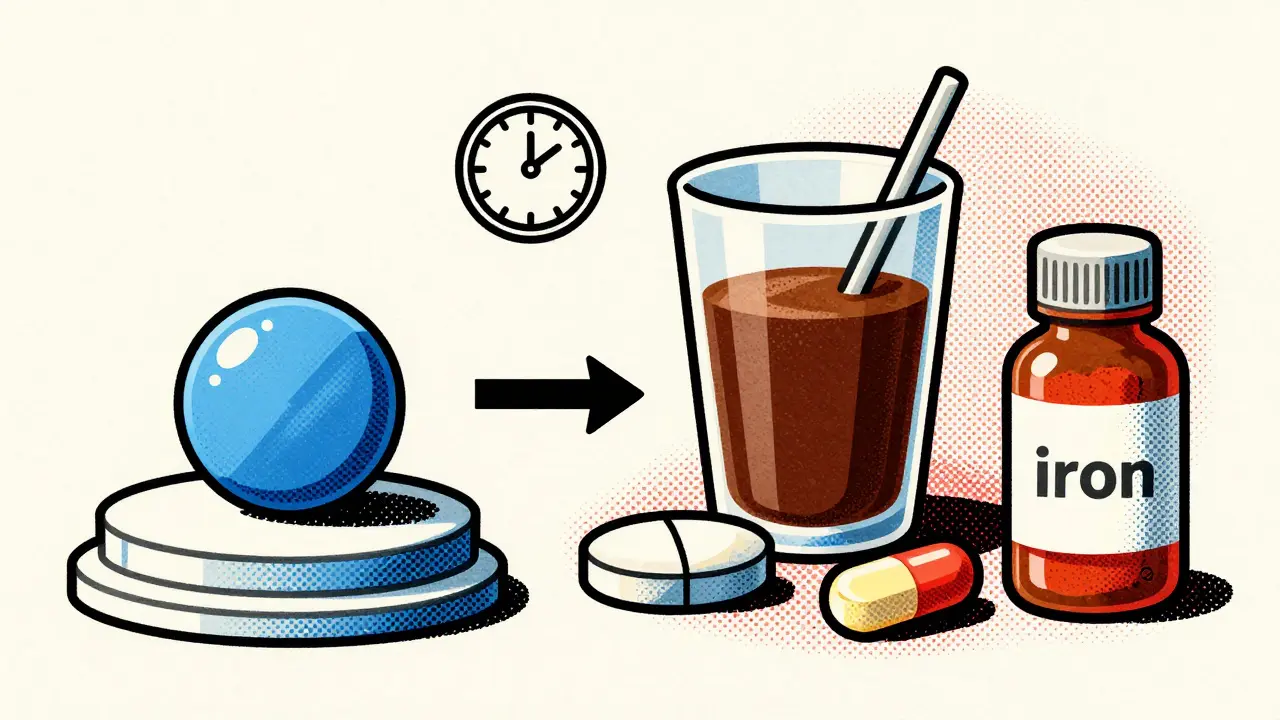
The golden rule is timing. Take levothyroxine on an empty stomach, ideally 30 to 60 minutes before breakfast. Then, you must space out other medications by at least four hours. Here are the major culprits:
- Calcium supplements: Often taken for bone health, calcium carbonate blocks absorption significantly.
- Iron supplements: Common for anemia, iron binds tightly to levothyroxine.
- Antacids: Products containing aluminum or magnesium hydroxide reduce acidity needed for absorption.
- Cholesterol-lowering drugs: Specifically cholestyramine and colestipol.
- Coffee: Recent studies suggest coffee can reduce absorption by up to 30%. Wait at least an hour after your pill before drinking your morning brew.
If you recently started any of these supplements and noticed your energy dropping or weight creeping back up, this interaction could be the cause. Review your supplement schedule with your pharmacist.
When to Seek Specialist Care
Most hypothyroidism is managed by primary care physicians. However, certain scenarios require an endocrinologist-a specialist in hormone disorders. You should seek a referral if:
- You are under 16 years old (pediatric dosing is complex).
- You are pregnant or planning pregnancy (thyroid needs double in early pregnancy).
- You have evidence of pituitary disease (which affects TSH reliability).
- You are taking amiodarone or lithium, which directly interfere with thyroid function.
- You have persistent symptoms despite normal TSH levels. About 15-20% of patients report ongoing fatigue or brain fog. In these rare cases, specialists might explore combination therapy with liothyronine (T3), though this remains controversial and is not first-line treatment.
Practical Tips for Daily Management
Consistency is king. Try to take your pill at the same time every day. Set a phone alarm if you need to. Keep a log of your doses and any symptoms you experience. If you miss a dose, take it as soon as you remember, unless it is almost time for your next dose. Never double up to "make up" for a missed pill, as this can spike your levels dangerously.
Also, communicate openly with your healthcare team. If you gain or lose more than 10 pounds, tell your doctor. Weight changes alter your volume of distribution, meaning your current dose may no longer be accurate. Aging also slows metabolism, so dose requirements often decrease as you get older. Regular monitoring catches these shifts before they become symptomatic problems.
How long does it take for levothyroxine to start working?
It typically takes 4 to 6 weeks for levothyroxine to reach steady-state levels in your blood. Most patients notice improvements in energy and mood within 2 to 3 weeks, but full symptom resolution can take 3 to 6 months as your body adjusts to the new hormonal baseline.
Can I switch between different brands of levothyroxine?
While generics are legally required to be bioequivalent, individual patients may react differently to fillers or absorption rates. If you feel stable on a specific brand, try to stay with it. If a pharmacy substitutes it and you feel unwell, contact your doctor immediately. Do not switch back and forth on your own without medical supervision.
Why do I need annual blood tests if I feel fine?
Thyroid needs change slowly over time due to aging, weight fluctuations, and other health conditions. You may not feel immediate symptoms of mild under- or over-treatment, but long-term imbalance can affect your heart health, cholesterol levels, and bone density. Annual testing ensures your dose remains optimal for your current physiology.
Does coffee interfere with levothyroxine absorption?
Yes, research indicates that coffee can significantly reduce the absorption of levothyroxine. To maximize effectiveness, take your medication with water only and wait at least 60 minutes before consuming coffee or caffeinated beverages.
What are the signs of too much levothyroxine?
Symptoms of over-treatment (hyperthyroidism) include rapid heartbeat (palpitations), anxiety, irritability, insomnia, excessive sweating, and unintended weight loss. If you experience these, contact your doctor for a TSH test, as your dose may need reduction.