Dechallenge and Rechallenge Simulator
Scenario Setup
Step 1: Initial Reaction
The patient has started taking a new medication.
Step 2: Dechallenge (Stop the Drug)
The patient is experiencing symptoms after taking the medication.
Step 3: Rechallenge (Restart the Drug)
The patient's symptoms have resolved after stopping the medication.
Results and Analysis
Have you ever started a new medication, felt awful shortly after, and then felt fine once you stopped taking it? That sequence of events is more than just a coincidence. In the world of medicine and pharmacovigilance, which is the science of detecting, assessing, understanding, and preventing adverse effects or any other drug-related problems, this pattern is the strongest clue we have that the drug caused the problem.
Doctors and safety experts use two specific terms to describe this process: dechallenge and rechallenge. These aren't just medical buzzwords; they are the primary tools used to determine if a medication is truly responsible for an adverse event. Understanding what these tests mean can help you navigate conversations with your doctor about why a treatment was stopped and whether it might be safe to try again in the future.
What Is Dechallenge?
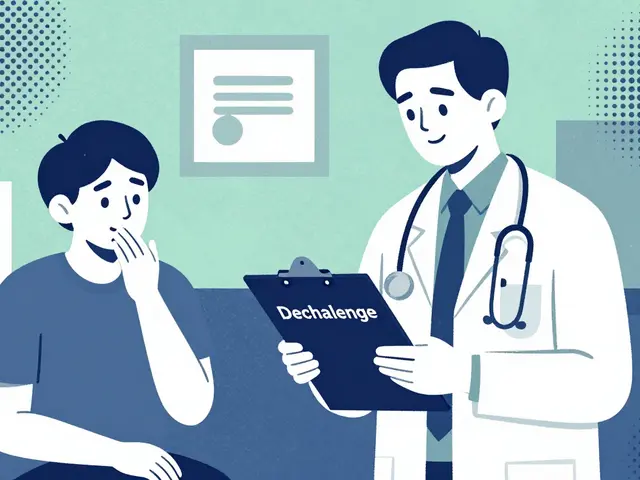
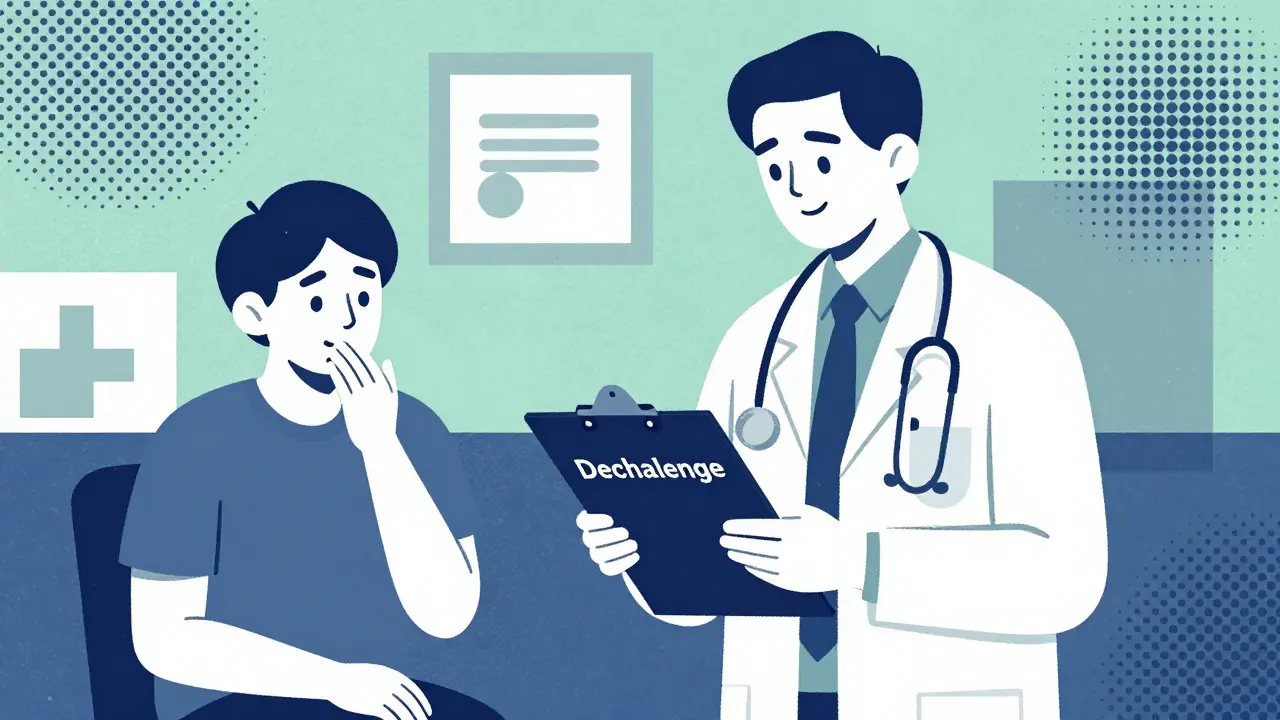
Dechallenge is the first step in investigating a potential drug side effect. It happens when a suspected medication is discontinued to see if the symptoms go away. If you stop taking the drug and your rash fades, your stomach settles, or your headache disappears, that is considered a "positive dechallenge."
This outcome suggests a causal relationship between the drug and the reaction. However, it doesn't prove it definitively on its own. The key here is timing. For a dechallenge to be valid, the symptoms must resolve within a timeframe that makes biological sense based on how long the drug stays in your system (its half-life).
- Positive Dechallenge: Symptoms improve or disappear after stopping the drug. This points toward the drug being the culprit.
- Negative Dechallenge: Symptoms persist even after the drug is stopped. This suggests the drug might not be the cause, or the damage caused by the reaction is irreversible.
For example, if you take an antibiotic for a skin infection and develop a mild rash, your doctor might tell you to stop the antibiotic. If the rash clears up in three days, the dechallenge is positive. If the rash stays exactly the same or gets worse despite stopping the drug, the dechallenge is negative, and doctors will look for other causes, such as an underlying viral infection or an allergic reaction to something else entirely.
What Is Rechallenge?
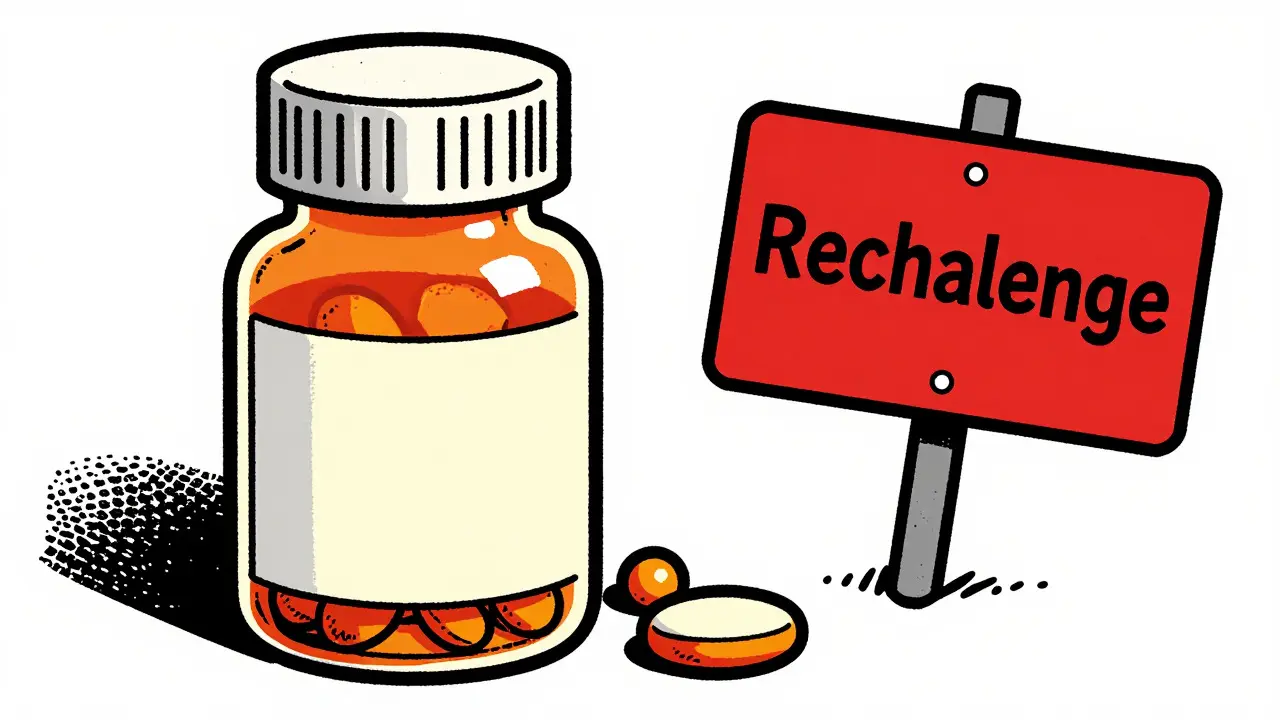
If dechallenge provides strong suspicion, rechallenge provides near-conclusive proof. Rechallenge involves deliberately giving the patient the same drug again after their symptoms have fully resolved. If the exact same side effect returns, especially at the same location or with the same characteristics, the link between the drug and the reaction is confirmed.
While scientifically powerful, rechallenge is rarely performed in routine clinical practice today. Why? Because it carries significant ethical risks. Deliberately exposing a patient to a substance that previously made them sick can be dangerous, particularly if the initial reaction was severe.
| Feature | Dechallenge | Rechallenge |
|---|---|---|
| Action Taken | Stop the drug | Restart the drug |
| Evidence Strength | Moderate (Probable) | Strong (Definite) |
| Ethical Risk | Low | High (for serious reactions) |
| Frequency of Use | Common (Standard Practice) | Rare (<0.3% of serious cases) |
| Outcome Interpretation | Suggests causality | Confirms causality |
A classic example comes from dermatology. A patient takes metronidazole and develops a fixed drug eruption-a specific patch of redness on the skin. They stop the drug, and the spot heals (positive dechallenge). Three months later, they take metronidazole again for a different issue, and the exact same spot appears within 48 hours. This recurrence confirms the drug caused the reaction. In this controlled scenario, the evidence is undeniable.
The Four Pillars of Causality Assessment
Dechallenge and rechallenge don't exist in a vacuum. They are part of a broader framework used by pharmacovigilance specialists to assess whether a drug caused an adverse event. According to guidelines established by organizations like the World Health Organization-Uppsala Monitoring Centre (WHO-UMC), there are four cardinal principles:
- Temporal Relationship: Did the side effect happen after starting the drug? The timing must make sense.
- Biological Plausibility: Does the drug have a known mechanism that could cause this type of reaction?
- Dechallenge: Did the symptoms go away when the drug was stopped?
- Rechallenge: Did the symptoms return when the drug was restarted?
While temporal relationship and biological plausibility are important, they can only suggest correlation, not causation. Many things happen after you take a pill without being caused by it. Dechallenge and rechallenge provide the objective clinical evidence needed to move from "maybe" to "definitely."
Why Isn't Rechallenge Done More Often?
You might wonder why doctors don't just restart every suspicious drug to be sure. The answer lies in risk management. For mild side effects like a slight headache or nausea, a rechallenge might be considered if the drug is essential and no alternatives exist. However, for severe adverse drug reactions (ADRs) like Stevens-Johnson Syndrome, liver failure, or severe blood disorders, rechallenge can be life-threatening.
Data from the FDA indicates that deliberate rechallenge is approved in less than 0.3% of serious ADR investigations. Most rechallenge procedures require strict oversight, including approval from an institutional review board (IRB) and informed consent from the patient. In many cases, the benefit of confirming the cause does not outweigh the risk of harming the patient again.
Furthermore, in fields like psychiatry, stopping and restarting medications can destabilize a patient's condition, making dechallenge difficult to interpret. This is why adoption rates for structured causality assessment vary significantly by specialty-high in dermatology (87%) but lower in psychiatry (43%).

How Technology Is Changing the Process
As we move further into the 2020s, technology is beginning to support traditional dechallenge methods. Wearable biosensors can now track physiological parameters continuously during drug discontinuation. This provides objective data on symptom resolution, improving accuracy compared to relying solely on patient-reported symptoms.
Additionally, researchers are developing alternative methods to avoid the need for physical rechallenge. In vitro lymphocyte toxicity assays can predict individual susceptibility to specific drug reactions with high accuracy. Machine learning algorithms are also being piloted to predict dechallenge outcomes based on historical data, potentially reducing unnecessary medication stops while maintaining safety.
However, experts caution that no algorithm can fully replace the clinical reality of observing a patient's body respond to the removal of a drug. As noted by Dr. Elena Rodriguez of the WHO Collaborating Centre, dechallenge remains the cornerstone of causality assessment that all emerging technologies must validate against.
Practical Tips for Patients
If you suspect a drug is causing side effects, keep a detailed log. Note when you started the medication, when symptoms began, and what happened when you stopped. This information is crucial for your doctor to perform a valid dechallenge assessment. Do not stop prescribed medications without consulting your healthcare provider, as abrupt discontinuation can sometimes cause withdrawal symptoms that mimic side effects, confusing the diagnostic picture.
When discussing potential rechallenge with your doctor, ask about the risks versus benefits. Understand that if a reaction was severe, your doctor will likely avoid rechallenge altogether and opt for an alternative treatment instead. Your safety always comes before scientific curiosity.
What is the difference between dechallenge and rechallenge?
Dechallenge is the process of stopping a suspected drug to see if symptoms improve. Rechallenge is the process of restarting the drug to see if symptoms return. Dechallenge suggests a link, while rechallenge confirms it.
Is rechallenge safe?
Rechallenge can be risky, especially for severe side effects. It is rarely performed for serious reactions due to ethical concerns and potential danger to the patient. It is mostly reserved for mild reactions or specific research settings under strict supervision.
What does a positive dechallenge mean?
A positive dechallenge means that your symptoms improved or disappeared after you stopped taking the medication. This strongly suggests that the drug was causing the side effect, though it is not absolute proof on its own.
Why do doctors use the Naranjo Scale?
The Naranjo Adverse Drug Reaction Probability Scale is a tool used to assign a probability score to whether a drug caused a side effect. It considers factors like dechallenge and rechallenge outcomes, but it provides a probabilistic assessment rather than definitive clinical proof.
Can I request a rechallenge for my medication?
You can discuss it with your doctor, but the decision rests on medical judgment. If the previous side effect was severe, your doctor will likely advise against it. For mild issues, they may consider it if the drug is essential and no suitable alternatives exist.