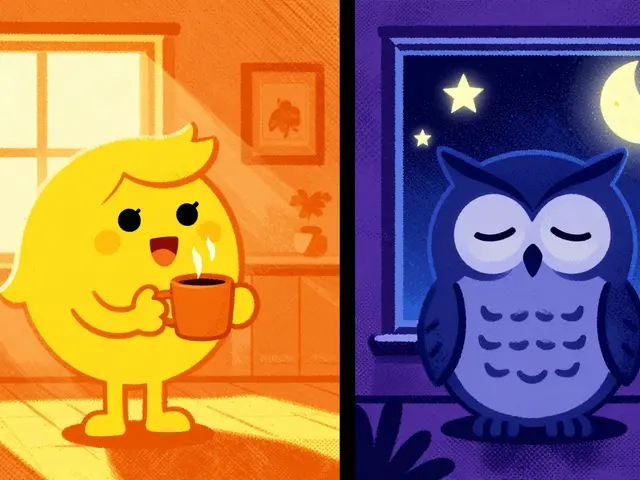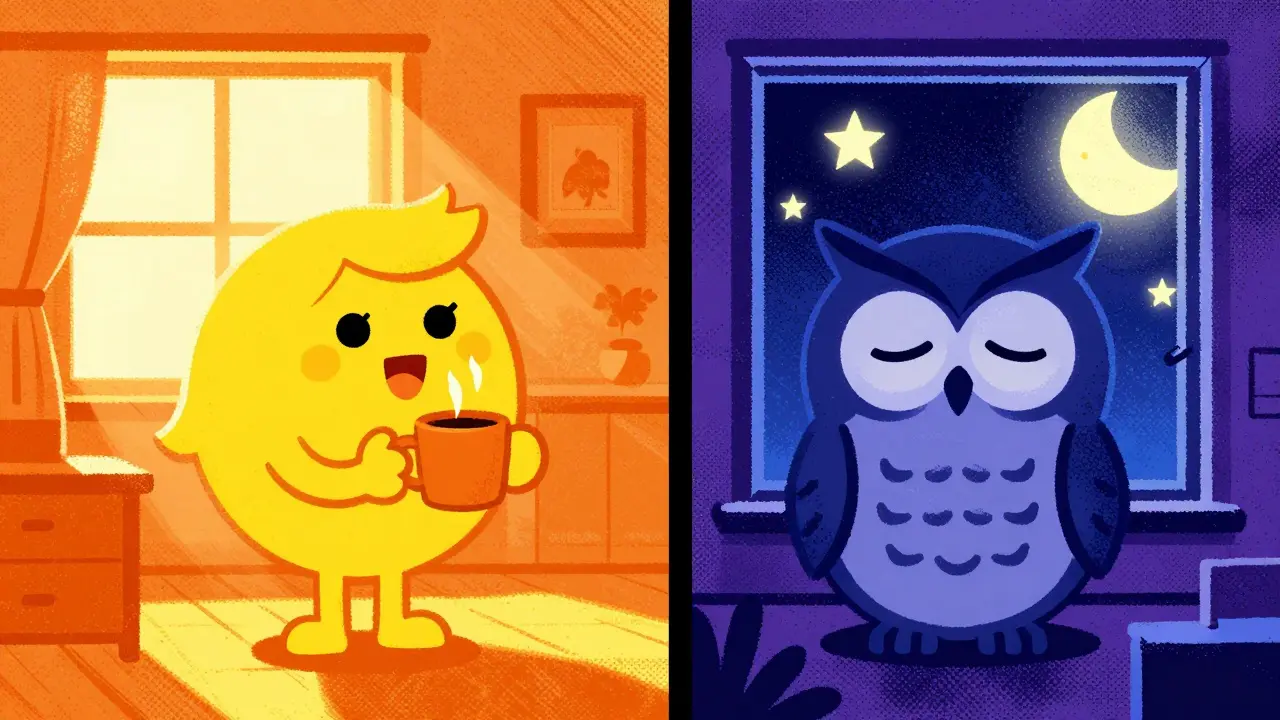
Have you ever felt like your brain is running on a different clock than the rest of the world? You’re not imagining it. That internal tug-of-war between what your body wants to do and what your calendar demands is driven by something called your chronotype. It is your biological tendency for sleeping earlier or later, determined by your internal circadian clock. Whether you are a "morning lark" who feels energized at dawn or a "night owl" who hits their stride after dark, understanding this trait can completely change how you work, study, and live.
Society has long operated on a one-size-fits-all schedule, typically starting early in the morning. But science tells us that forcing everyone into the same mold ignores our genetic wiring. In fact, research shows that about 40% of people are natural early risers, while 30% are late-night workers, with the remaining 30% falling somewhere in the middle. Ignoring these differences doesn’t just make you tired; it can impact your health, cognitive performance, and even your lifespan. Let’s look at how to identify your type and schedule your life around your biology, not against it.
Identifying Your Chronotype: Are You a Lark or an Owl?
Your chronotype isn’t just about when you choose to go to bed; it’s about when your body naturally wants to sleep and wake up if no alarm clocks were involved. Scientists measure this using the Munich ChronoType Questionnaire (MCTQ), which calculates your sleep midpoint on free days to determine your biological timing preference. The most common sleep pattern for humans falls between 11:30 PM/midnight and 7:30 AM/8:00 AM.
If you consistently fall asleep before 11:30 PM and wake up without an alarm by 6:30 AM, you are likely a morning lark. These individuals often report higher consistency in their sleep rhythms and tend to feel more rested upon waking. On the other hand, if you find yourself fully alert past midnight and struggling to get out of bed before 9:00 AM, you are probably a night owl. There is also a significant group in between, but the extremes show the clearest differences in daily functioning.
It is important to note that genetics play a huge role here. A study from the University of Utah identified specific genetic mutations linked to extreme morning tendencies, such as Familial Advanced Sleep Phase Syndrome, where people naturally wake up around 4:30 AM. This means you cannot simply "willpower" your way into being a morning person if your DNA says otherwise. However, environmental factors like screen time and light exposure can shift your chronotype slightly later over time, which explains why modern schedules have drifted compared to previous decades.
The Health Divide: Risks for Night Owls vs. Larks
While both types have their perks, the data currently favors morning larks when it comes to health outcomes. This isn’t just because they follow societal norms better; there are measurable physiological differences. According to analysis by BrainFacts.org, evening chronotypes face significantly higher risks for several serious conditions:
- Obesity: Night owls have a 27% higher incidence rate.
- Diabetes: They are 30% more likely to develop type 2 diabetes.
- Metabolic Syndrome: The risk is 25% higher for late sleepers.
- Depression: Evening types experience a 29% higher rate of depressive symptoms.
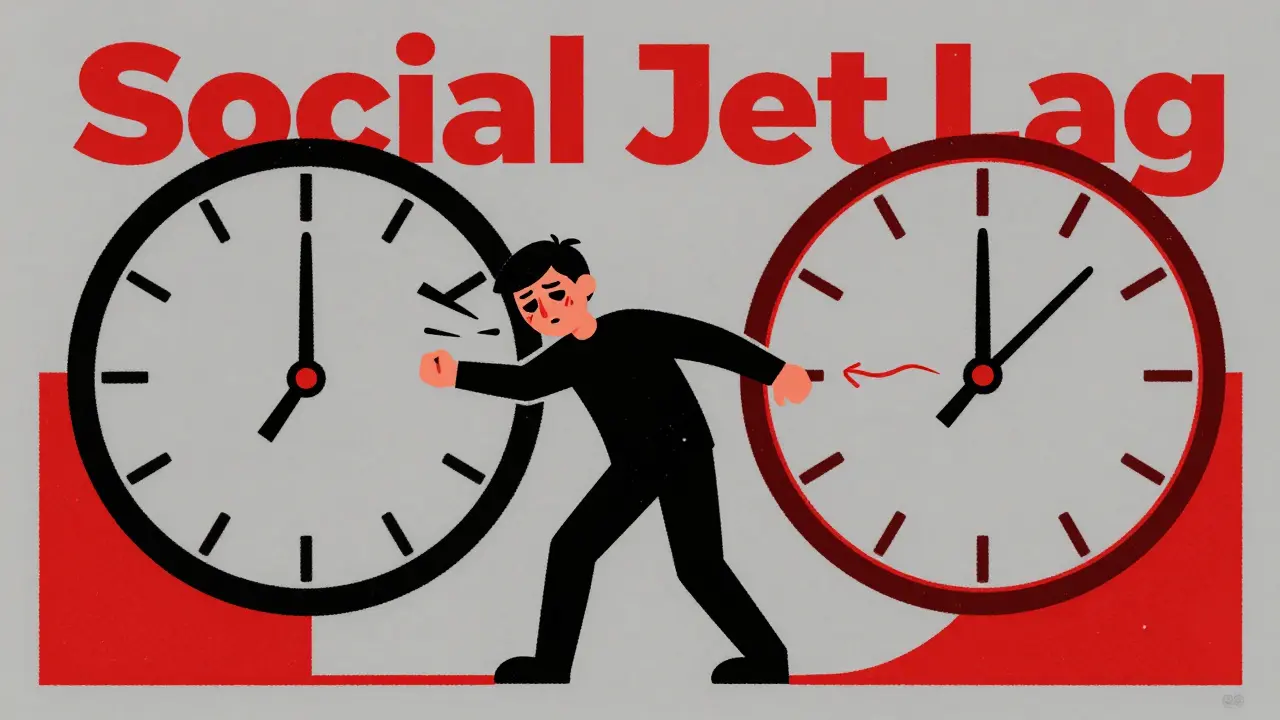
A massive 2018 study involving over 430,000 people found that evening chronotypes had an increased risk of mortality compared to morning types. Why does this happen? Much of it comes down to "social jet lag." Coined by Professor Till Roenneberg, this term describes the mismatch between your biological clock and social time. When a night owl forces themselves to wake up at 7:00 AM for a 9-to-5 job, they are essentially operating in a state of chronic partial sleep deprivation. Their bodies haven’t finished their rest cycle, leading to poor metabolic regulation and higher stress levels.
Morning larks, by contrast, align well with traditional work and school hours. They typically get more sleep-averaging 48 minutes more per night than owls-and report feeling more rested. Interestingly, early sleepers are also 75% more likely to be female, suggesting potential hormonal or social influences on these patterns.
Cognitive Performance: Who Works Better?
You might assume that since larks are healthier, they are also smarter or more productive. For a long time, that was the prevailing belief, especially regarding younger populations. However, recent research has flipped this script for older adults. A groundbreaking 2023 study from Imperial College London found that among older adults, night owls actually performed better on cognitive tests than morning larks.
This challenges the old idea that morning types always have the edge. Dr. West from Imperial College noted that the relationship between chronotype and cognitive performance seems to change with age. While younger morning types may have had advantages due to better alignment with school schedules, older night owls might retain cognitive flexibility longer. It is crucial to remember that these are associations, not causality. Being an owl doesn’t make you smarter, but it doesn’t mean you’ll decline faster either.
In academic settings, however, the current system still penalizes night owls heavily. Research from Baylor University showed that evening-type college students forced to wake up early experienced significantly worse sleep quality and duration. They averaged only 6.2 hours of sleep compared to 7.5 hours for morning types. This lack of sleep led to greater classroom sleepiness and lower academic performance, proving that the issue is often the schedule, not the student’s ability.
Fixing Social Jet Lag: Practical Scheduling Tips
If you are a night owl living in a lark-friendly world, you don’t have to accept fatigue as your normal state. You can mitigate the effects of social jet lag through strategic behavioral changes. The goal isn’t necessarily to turn into a morning person overnight-that takes weeks-but to optimize your energy within your constraints.
Here are three evidence-based strategies to improve your alignment:
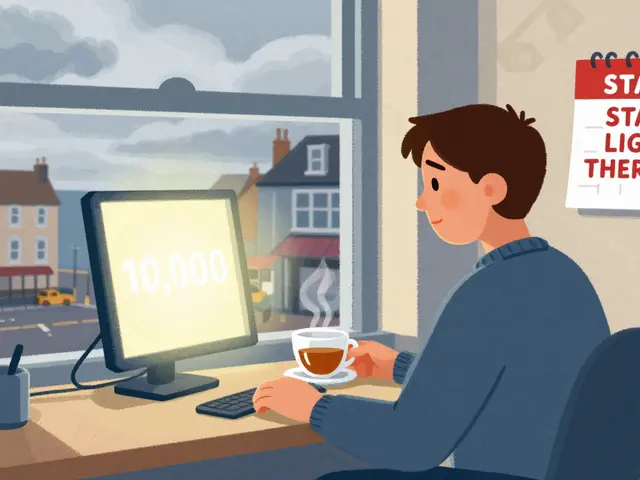
- Control Your Light Exposure: Light is the primary cue for your circadian clock. If you are an owl trying to move earlier, get bright light (minimum 10,000 lux) within 30 minutes of waking up. Conversely, avoid blue light from screens in the evening. Dr. Kenneth Wright’s research showed that removing artificial light allowed participants’ sleep timing to synchronize with natural cycles, nearly eliminating differences between larks and owls.
- Manage Caffeine Timing: Baylor University researchers found that evening-type students consumed caffeine much later in the day, averaging 4:18 PM compared to 1:27 PM for morning types. Cutting off caffeine by 5:00 PM can significantly improve sleep onset and quality.
- Create a Consistent Wake Time: Even if you go to bed late, try to wake up at the same time every day. This anchors your circadian rhythm. SleepWatch data shows that users who maintained consistent wake times saw an 18% increase in sleep quality scores.
Reducing bedtime social media use is also critical. Many night owls spend an average of 40 minutes scrolling in bed, which delays sleep further. By implementing these habits, you can reduce the gap between your biological time and social time, lowering the strain on your body.
| Attribute | Morning Larks | Night Owls |
|---|---|---|
| Average Sleep Duration | ~7.5+ hours | ~6.2 hours (when forced early) |
| Sleep Consistency | High (7% greater) | Lower |
| Health Risk Profile | Lower risk of obesity/diabetes | Higher risk (27-30% increase) |
| Cognitive Peak Age | Younger adults | Older adults (per 2023 study) |
| Workplace Alignment | High (fits 9-to-5) | Low (experiences social jet lag) |
The Future of Work: Chronotype-Friendly Schedules
The good news is that the workplace is slowly catching up. With the rise of remote work, companies are realizing that productivity isn’t tied to sitting at a desk from 9 to 5. A 2023 Gartner survey found that 42% of global organizations now offer flexible scheduling options, partly based on chronotype considerations. This is a significant jump from 28% in 2020.
Why are companies making this shift? Because it pays off. Studies show that when work schedules align with employee chronotypes, performance can improve by up to 18%. The market for chronotype-friendly workplaces is projected to grow at 14.3% annually through 2028. Younger generations, particularly Gen Z, are driving this change, with 52% identifying as night owls compared to just 31% of Baby Boomers.
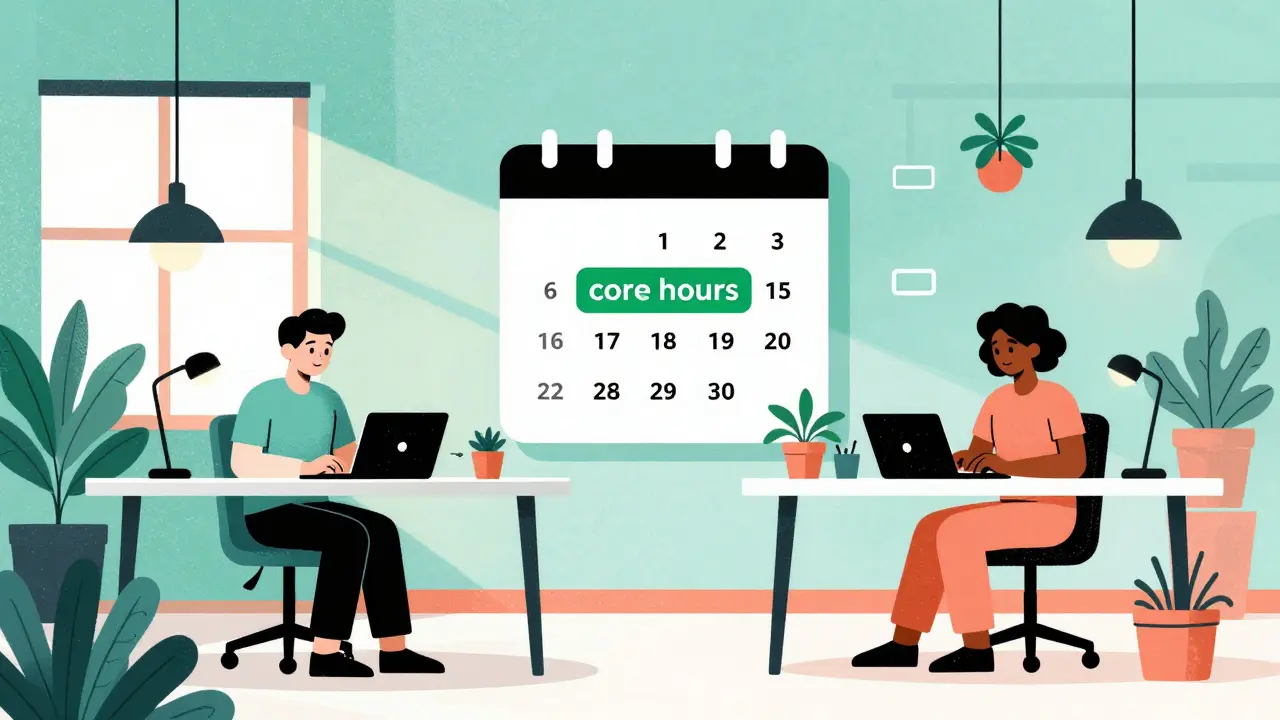
If you are negotiating your work schedule, consider proposing core hours for meetings but allowing flexibility for deep work. For example, a night owl might prefer working from 10:00 AM to 7:00 PM, while a lark works from 7:00 AM to 4:00 PM. Both teams cover the essential overlap period, but each individual gets to do their best work during their peak biological hours.
Even if your job requires fixed hours, you can still advocate for small adjustments. Starting your day with low-stakes tasks during your "zombie hours" and saving complex problem-solving for your peak time can make a big difference. Remember, chronotypes can fluctuate. Baylor University’s research showed that 28% of students shifted their chronotype over a semester through behavioral changes. You have more control than you think, but it requires patience and consistent effort.
Can I change my chronotype permanently?
You can shift your chronotype, but it is difficult to change it permanently without consistent behavioral reinforcement. Genetics play a strong role, so your natural inclination will always pull you back. However, studies show that through strict light management, consistent wake times, and caffeine control, you can shift your timing by several hours. Most people see measurable changes within 2 to 4 weeks of sticking to a new routine.
Is it healthier to be a night owl?
Generally, no. Current medical data indicates that night owls face higher risks for obesity, diabetes, depression, and cardiovascular issues. This is largely due to "social jet lag," where their natural sleep cycle conflicts with standard work and school hours. If you are a night owl, prioritizing sleep hygiene and seeking flexible work arrangements can help mitigate these health risks.
What is the best time for a night owl to exercise?
For night owls, exercising in the late afternoon or early evening (around 4:00 PM to 7:00 PM) is often ideal. This aligns with their natural peak in body temperature and alertness. Avoid intense workouts too close to bedtime, as the adrenaline spike can delay sleep onset. Morning exercise is possible but may require more motivation and careful warm-ups to avoid injury.
How does screen time affect my chronotype?
Screen time, especially from smartphones and computers, emits blue light that suppresses melatonin production. This tricks your brain into thinking it is still daytime, pushing your chronotype later. Over years, increased screen exposure has been linked to a shift in average population sleep times by about 15 minutes later. Reducing screen use 1-2 hours before bed is one of the most effective ways to stabilize your rhythm.
Do children have chronotypes too?
Yes, children have chronotypes, but they tend to shift as they age. Young children are often early larks, but during puberty, there is a biological shift toward eveningness due to hormonal changes. This is why teenagers naturally want to stay up later and wake up later. School start times that ignore this developmental shift contribute significantly to teen sleep deprivation.