
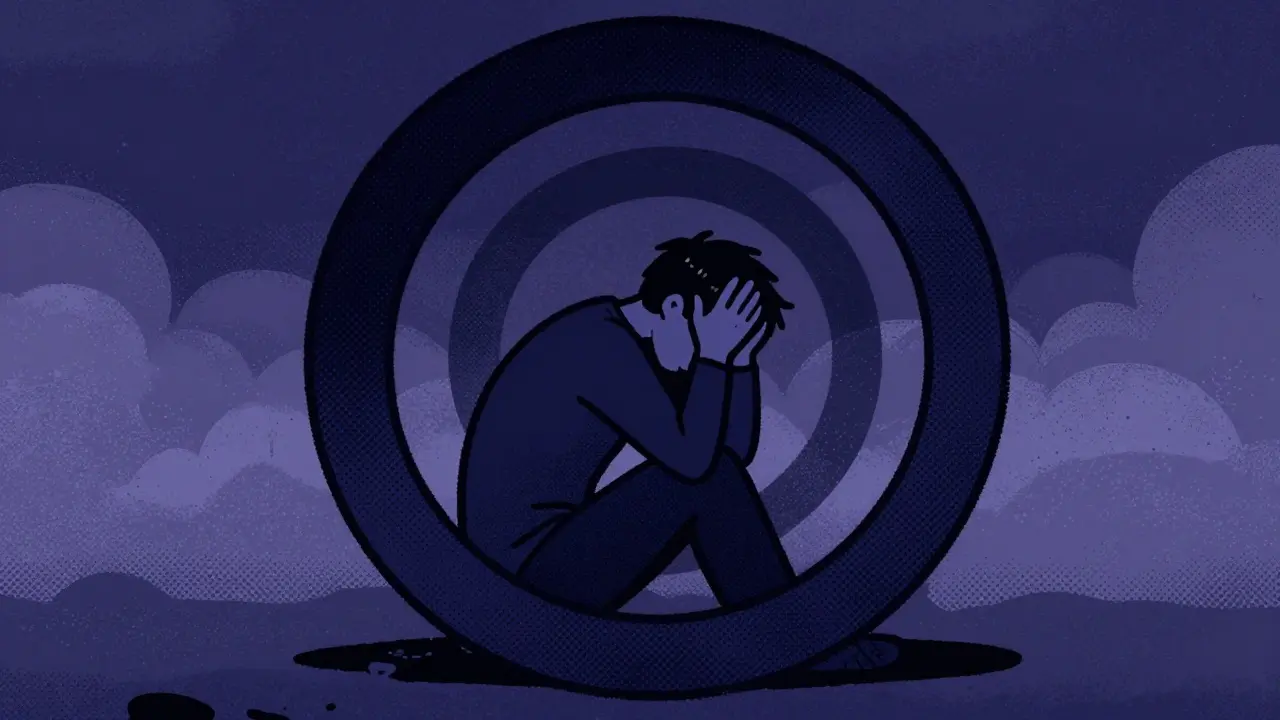
You might feel like you're stuck in a loop. You've tried one antidepressant, it didn't work. Then you tried another, maybe even switched classes, and the fog of depression remains thick. This isn't just bad luck; clinically, we call this Treatment-Resistant Depression, or TRD. It’s a specific condition defined by failing to get relief from at least two adequate courses of first-line antidepressant medication. The Sequenced Treatment Alternatives to Relieve Depression (STAR*D) trial highlighted just how common this struggle is: about half of all patients fail their initial treatment, and roughly 30% to 40% end up meeting the criteria for TRD after trying two different approaches.
Understanding the Criteria for Resistance
Before jumping into new treatments, we need to pin down what actually qualifies as resistance. It isn't just feeling sad while taking pills. There's a clinical definition. Generally, a patient is considered treatment-resistant if they have completed an adequate dose of an antidepressant for a sufficient duration-usually six to eight weeks-without meaningful improvement. If that happens twice, you enter the realm of TRD.
This distinction matters because the next steps change everything. When standard SSRIs (like sertraline) or SNRIs (like venlafaxine) stop working, simply switching to a different drug in the same class rarely helps enough. You need a shift in strategy, moving toward augmentation or advanced interventions. About 50% of patients who fail one agent will fail the second too, according to long-term observational studies. That statistic sounds grim, but it also means there are alternative paths proven to break through when the standard ones stall.
The Power of Augmentation Strategies
Instead of quitting a medication that helped slightly, doctors often recommend keeping it and adding something else. This is called augmentation. Think of it like adding a second engine to a car that's struggling uphill. The goal is to boost the efficacy of your current regimen without starting over.
FDA-approved agents for this specific purpose include several atypical antipsychotics. For instance, aripiprazole is widely used. Clinical data shows that when added to an SSRI, it can significantly improve response rates compared to placebo. In the Veterans Affairs Augmentation and Switching Treatment for Improving Depression Outcomes (VAST-D) trial, patients who received aripiprazole saw a remission rate of nearly 25% at 12 weeks. While not everyone responds, the data suggests it beats switching to bupropion alone in many cases.
Another common option is Quetiapine. At doses around 300mg daily, studies reported response rates up to 48% when combined with standard antidepressants. However, tolerability plays a huge role here. Sedation is a frequent complaint with quetiapine, occurring in up to 60% of patients depending on the dose. Other options like Brexpiprazole offer similar benefits with a potentially smoother side effect profile regarding movement disorders.
| Medication | Typical Dose Range | Key Benefit | Potential Side Effects |
|---|---|---|---|
| Aripiprazole | 2-15 mg/day | Favorable weight profile | Akathisia (restlessness) |
| Quetiapine ER | 150-300 mg/day | Sedation helps sleep | Weight gain, sedation |
| Brexpiprazole | 0.5-3 mg/day | Lower metabolic risk | Drowsiness, nausea |
| Lithium | Target 0.3-0.6 mEq/L | Anti-suicide properties | Kidney function monitoring |
Beyond antipsychotics, older strategies remain relevant. Lithium augmentation is decades old but still highly effective. Network meta-analyses indicate an odds ratio of 2.15 for response compared to placebo. The catch is safety monitoring. You need regular blood tests to ensure levels stay between 0.3 and 0.6 mEq/L to avoid toxicity while maintaining benefit. Thyroid hormones, specifically liothyronine, also appear effective in network analyses, showing strong response potential.
Rapid Relief with Esketamine
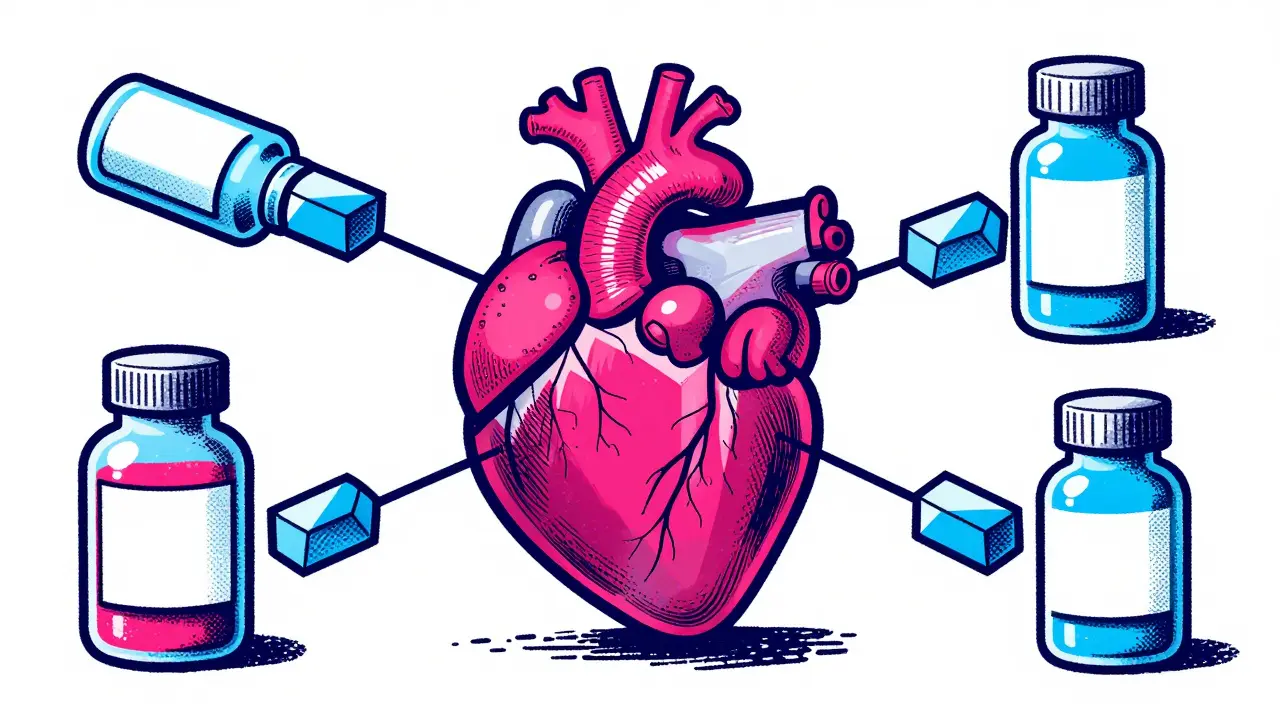
If traditional oral medications take weeks to kick in, Esketamine offers a different timeline. Approved as a nasal spray (Spravato), it targets glutamate receptors instead of serotonin. The mechanism changes how fast results appear. In the TRANSFORM-2 trial, 70% of patients achieved a response within four weeks, whereas placebo hit only 47%. More strikingly, some patients felt improvements within 24 hours.
This rapid action makes it particularly critical for patients at high risk of suicide. However, the administration requires certified clinics because of the dissociation effects. Nearly 60% of patients experienced some level of dissociation during treatment sessions. You aren't left alone during the infusion; clinicians monitor vital signs and symptoms for two hours post-dose to manage this safely.
Neuromodulation and Brain Stimulation
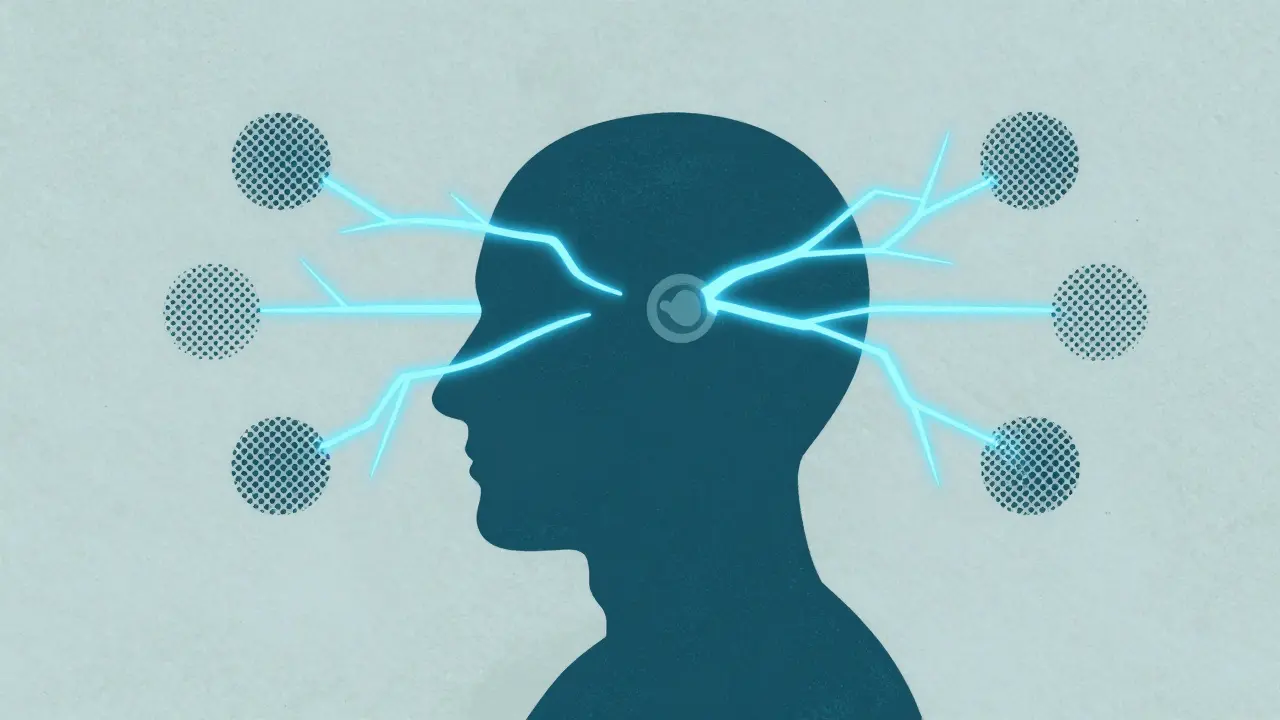
When medication feels like a losing battle, physical stimulation of the brain offers a non-drug alternative. Repetitive Transcranial Magnetic Stimulation (rTMS) uses magnetic pulses to target the dorsolateral prefrontal cortex. It doesn't require anesthesia, unlike electroconvulsive therapy. Response rates hover around 50% to 55% for those with TRD, and remission happens in about 30% to 35% of cases.
Electroconvulsive Therapy (ECT) carries an older stigma but remains the gold standard for severe, life-threatening depression where other methods fail. It involves inducing a controlled seizure under anesthesia. While cognitive side effects were historically significant, modern techniques using ultrabrief pulse currents have drastically reduced memory issues. It is often reserved for situations requiring immediate stabilization.
For extreme cases where nothing else works, Deep Brain Stimulation (DBS) is emerging. Small studies targeting the subcallosal cingulate cortex have shown promising response rates up to 92% in some samples, though larger trials show more variability. These invasive procedures are generally limited to research settings or severe, intractable cases.
Psychological and Lifestyle Adjuncts
Medication isn't the only tool. Adding psychotherapy can significantly alter the outcome. Cognitive behavioral therapy showed an effect size of 1.58 in systematic reviews when used alongside meds for TRD. It provides coping tools that medication alone cannot teach. Lifestyle factors matter too. Exercise programs and nutritional adjustments often support the biological changes initiated by drugs. Even simple additions like modafinil can help with the fatigue that sometimes accompanies antidepressants, with some studies showing significant response boosts.
Navigating the Decision Tree
Choosing the right path depends on your history. If you have residual anxiety, an augmenting antipsychotic like brexpiprazole might be preferred over lithium. If sexual dysfunction was a problem with your previous SSRI, bupropion could be a better switch than adding an antipsychotic. The STAR*D trial found bupropion augmentation yielded a 21.3% remission rate, comparable to other methods, which is useful knowledge for avoiding certain side effects.
Always discuss tolerability. Ziprasidone and mirtazapine showed higher discontinuation rates in meta-analyses due to side effects. Working with your psychiatrist to monitor blood pressure, lipid panels, and metabolic markers is crucial when these new agents come into play. Your body chemistry varies, and what worked for a study group might need fine-tuning for you.
sanatan kaushik
March 31, 2026 AT 17:23This hits hard when you are actually stuck in the hole.
Debbie Fradin
April 1, 2026 AT 00:46Oh fantastic, more proof that half of the human race is just defective hardware needing a software patch. It is comforting to know big pharma has a plan for the rest of us who aren't just lucky enough to work right out of the box.
Charles Rogers
April 2, 2026 AT 00:05It is honestly exhausting seeing how quickly everyone rushes into chemical dependency without even bothering to address the lifestyle rot underneath. You people read a table about drug doses and think you understand the complexity of human chemistry like it is a simple math problem. Most of you fail to recognize that augmentation is merely a bandage on a bullet wound when you neglect the actual structural damage caused by modern living. Your doctors hand out scripts like candy while ignoring that sleep hygiene alone could shift the baseline significantly for many cases. There is a distinct arrogance in assuming more medication equals better results when the body screams for rest instead of more stimulation. We see remission rates quoted but nobody talks about the quality of life during those two hours of monitoring after a spray session. Sitting in a clinic for dissociation feels like too high a price for dignity to pay nowadays. The statistics look good on paper yet the human cost is hidden somewhere in the footnotes of these clinical trials. People complain about weight gain and sedation but never mention the emotional toll of knowing their own mind is chemically altered daily. It makes you wonder if resistance is truly biological or just a refusal to accept the current therapeutic paradigm. Society needs to stop pathologizing normal sadness and start treating it with radical changes to environment rather than dosage. If we keep prioritizing quick fixes the cycle of resistance will only grow stronger for every generation coming after us. The burden of side effects falls heavily on the patient while the pharmaceutical industry reaps the profits from failed attempts. This approach treats the symptoms like weeds popping up in a garden rather than fixing the soil conditions that allow them to grow. True recovery requires patience and a willingness to endure discomfort without hiding behind a pill bottle.
Adryan Brown
April 2, 2026 AT 07:21While I understand the frustration expressed here regarding the limitations of standard care we must remember that progress in mental health is incredibly complex. Many individuals find solace in these new options when traditional paths simply ran out of viable alternatives for their specific condition. It is crucial to acknowledge that suffering does not mean failure but rather indicates a need for a different approach tailored to unique biology. The community deserves compassion rather than harsh criticism when they share their struggles with finding relief from persistent depressive episodes. We should encourage open dialogue about side effects so patients can make informed choices with their medical providers safely. Research continues to evolve and what seemed impossible years ago might become manageable with newer interventions like transcranial magnetic stimulation. Everyone has different thresholds for tolerability and one size rarely fits all when dealing with neurochemical imbalances deeply. Sharing experiences helps normalize the journey and reduces the isolation that often accompanies treatment-resistant diagnoses. Hope remains a powerful tool alongside pharmacology because mindset shifts can support biological changes initiated by medication regimens. Collaboration between patients and physicians leads to better outcomes than either party working in isolation against overwhelming odds. Resilience takes time to build but small victories along the way matter just as much as full remission eventually. We must respect the courage it takes to try multiple avenues before giving up on the possibility of improvement entirely. Empathy towards others navigating this difficult terrain fosters a supportive environment where vulnerability is accepted without shame. Progress may feel slow sometimes yet staying engaged with the process keeps doors open for future breakthroughs in understanding. Together we can navigate these challenging waters with patience and a focus on sustainable well-being rather than quick fixes.
Michael Kinkoph
April 3, 2026 AT 17:38The terminology is sloppy; specifically the distinction between non-response and partial response is not adequately delineated here! Furthermore, the inclusion of off-label uses without specifying regulatory status is irresponsible!
Ruth Wambui
April 5, 2026 AT 02:45They want to keep us zombified on the chair so the clinics stay open and the insurance companies eat our money slowly.
Carolyn Kask
April 5, 2026 AT 04:24You clearly haven't read the FDA approvals or the rigorous testing protocols required for Spravato access.
Vikash Ranjan
April 6, 2026 AT 22:11None of this matters because the food supply is contaminated and causes the inflammation in the brain causing depression.
Jonathan Alexander
April 7, 2026 AT 10:06I felt the despair so deeply when I read about ECT being the gold standard for severe cases.
Biraju Shah
April 8, 2026 AT 01:54We need to stick to the data presented in the post instead of spiraling into wild speculation about hidden agendas.