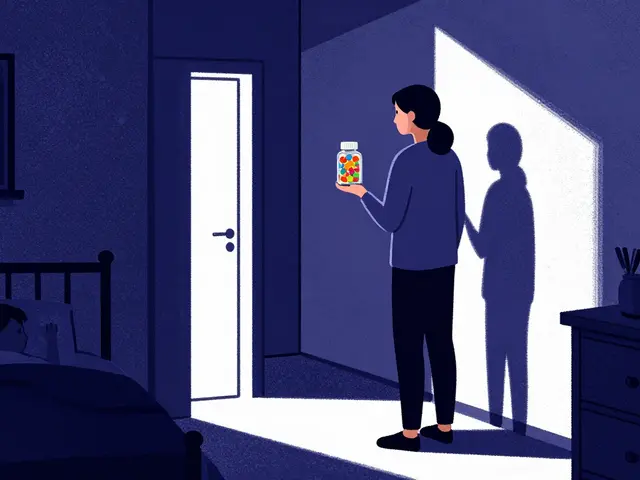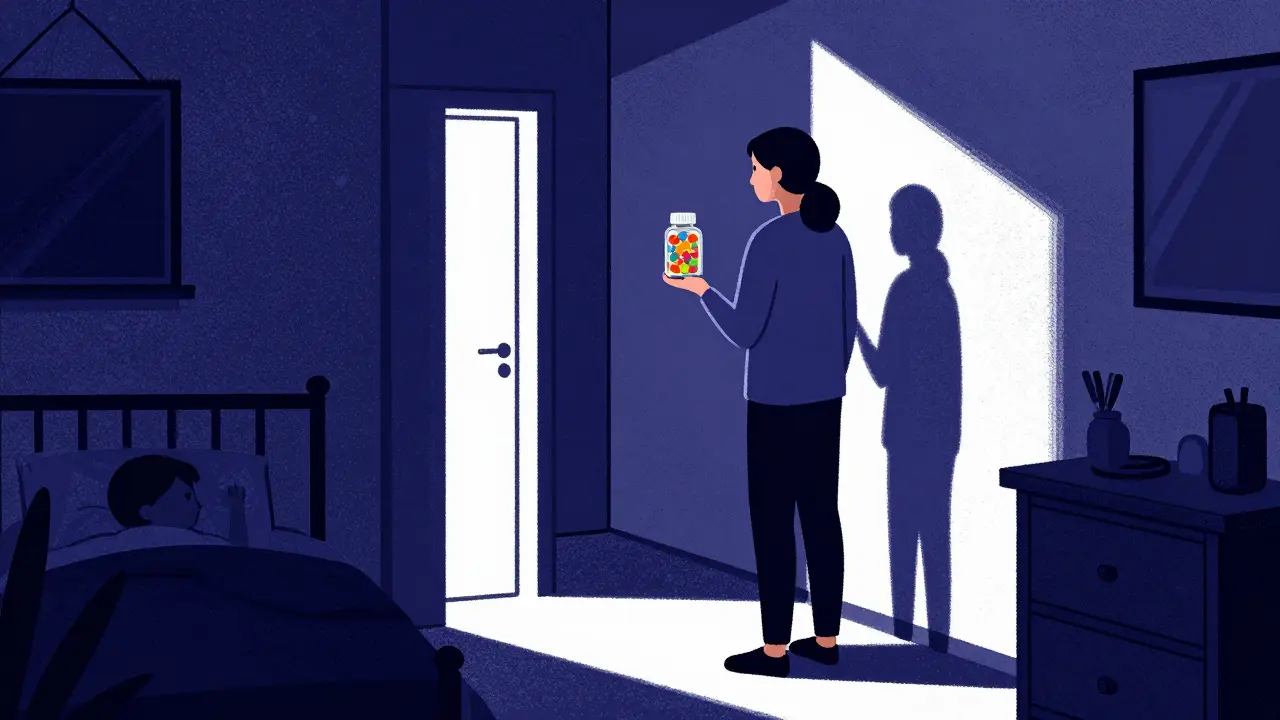
It is 10 PM. The house is quiet, except for the sounds coming from your child’s room. They are wide awake, kicking off their covers, or perhaps they fell asleep at 8 PM but woke up fully alert at midnight. You reach for that bottle of gummies on the shelf-the one labeled 'natural'-and wonder if it is truly safe to give them another dose. You are not alone. In the United States, the use of melatonin, a hormone that regulates the sleep-wake cycle, has skyrocketed among families seeking relief from childhood sleep struggles. Between 1999 and 2012, usage jumped by an astonishing 530%, according to data from the Centers for Disease Control and Prevention (CDC). Yet, despite its popularity, there is a significant gap between how parents view this supplement and how medical professionals classify it.
The core issue is simple: melatonin is not just a harmless candy. It is a hormone. While short-term use appears relatively safe under medical supervision, the long-term effects on developing bodies remain unclear. This article breaks down what the American Academy of Pediatrics (AAP), the National Health Service (NHS), and other leading health authorities say about using melatonin and other sleep aids in children. We will cover dosages, timing, risks, and the critical steps you should take before reaching for the bottle.
Understanding Melatonin: Hormone vs. Supplement
To understand why caution is necessary, we first need to look at what melatonin actually does. Your body produces this hormone naturally in the pineal gland. Its primary job is to signal to your brain that it is time to sleep. When darkness hits, melatonin levels rise; when light enters your eyes, production drops. It acts as a dimmer switch for wakefulness, not an on-off switch like sedative medications.
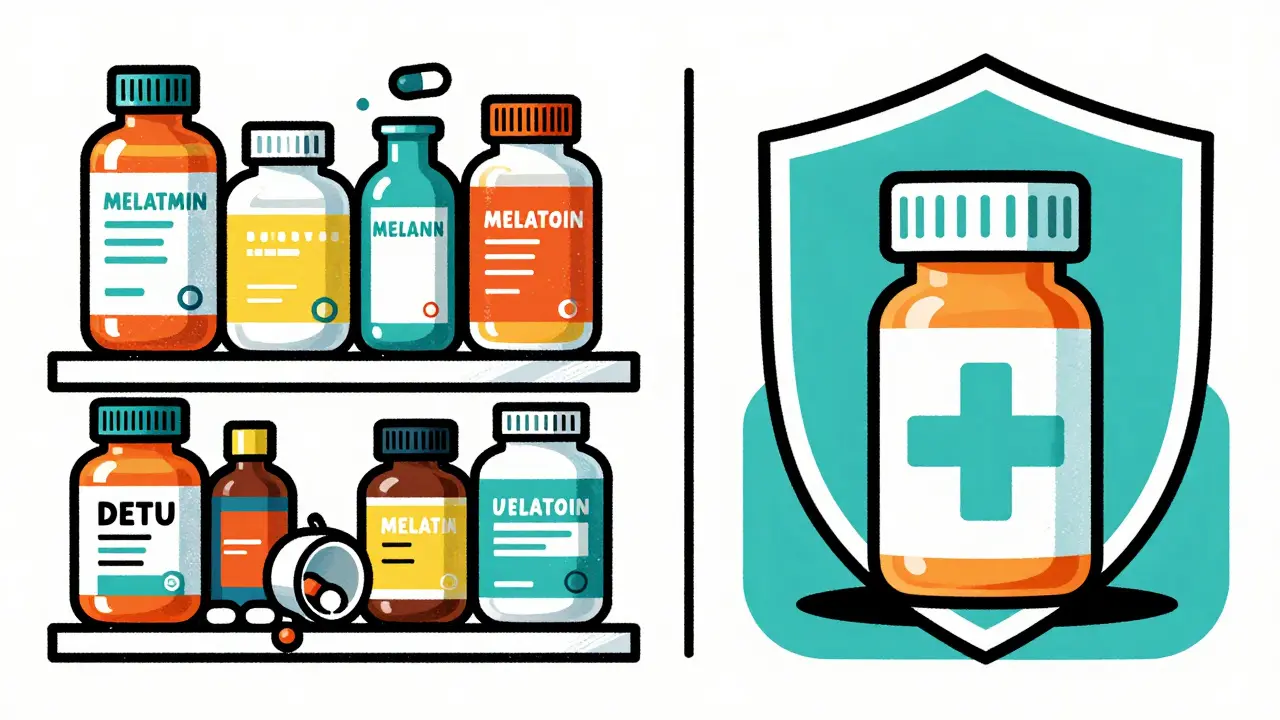
The confusion arises from regulatory differences. In the United States, melatonin is classified as a dietary supplement under the Dietary Supplement Health and Education Act (DSHEA) of 1994. This means it does not undergo the rigorous testing and approval process required for pharmaceutical drugs. There is no guarantee that the amount listed on the label matches what is inside the capsule or gummy. A 2022 study published in JAMA Network Open found significant discrepancies between labeled and actual melatonin content in commercially available products. Some contained far more than advertised, while others had significantly less.
In contrast, countries like the United Kingdom treat melatonin differently. Here, it is a prescription-only medication, often sold under brand names like Circadin. The European Medicines Agency approves it primarily for older adults with insomnia, though UK pediatricians may prescribe it off-label for children with specific disorders. This regulatory disparity creates a dangerous false sense of security for US parents who assume that because it is over-the-counter, it is inherently benign. The American Academy of Pediatrics explicitly states that melatonin should be considered a medication, not a benign supplement.
Dosage Guidelines: Less Is Often More
If you decide to use melatonin after consulting with your child’s doctor, getting the dosage right is critical. One of the biggest mistakes parents make is assuming that more melatonin leads to better sleep. In reality, higher doses can disrupt sleep architecture and cause next-day grogginess.
Research suggests that physiological levels of melatonin in children are quite low. A systematic review published in PubMed Central notes that administering just 0.3 mg can reach levels similar to natural concentrations. Doses above 1 mg are already above physiologic levels, and doses exceeding 10 mg can produce concentrations that persist for more than 24 hours, potentially interfering with the body’s natural hormonal balance.
Despite this, commercial products often suggest much higher amounts. To help navigate this, here is a comparison of recommendations from major health institutions:
| Age Group | Sleep Foundation (2024) | Children's Healthcare of Atlanta | UK NHS Standard |
|---|---|---|---|
| Under 3 Years | Avoid / Consult Doctor | Avoid / Consult Doctor | Not Recommended |
| Preschoolers (3-5 years) | 1-2 mg | 1-3 mg | 2 mg slow-release |
| School-Age (6-12 years) | 1-3 mg | 2-5 mg | Up to 5 mg |
| Adolescents (13-18 years) | 1-5 mg | 5-10 mg | Up to 10 mg |
Note that these are general guidelines. Dr. Sarah Malik from Children's Healthcare of Atlanta emphasizes that the highest dose a child should have is 12 mg, but stresses starting at the lowest possible dose and increasing gradually only if necessary. Most children respond well to lower doses compared to higher ones. Always start small-often half a milligram or less is enough to trigger the sleep signal without overwhelming the system.
Timing Matters: When to Administer
Even the correct dose will fail if given at the wrong time. Melatonin is not a sedative that knocks someone out immediately. It signals the onset of sleepiness. Therefore, timing is crucial for effectiveness.
Most experts recommend administering melatonin 30 to 60 minutes before bedtime. This allows the hormone to peak in the bloodstream when your child is ready to lie down. Children's Health specifies 30 minutes as optimal, while the NHS recommends a window of 30 minutes to 1 hour. For some children, particularly those with delayed sleep phase syndrome, taking it slightly earlier might help shift their internal clock forward over time.
However, consistency is key. If you give melatonin at different times each night, you confuse the body’s circadian rhythm. Set a routine. Give the dose at the same time every night, paired with a consistent bedtime routine. Remember, melatonin should never be used to force a child to sleep against their biological needs. It works best when combined with good sleep hygiene.
Special Considerations: Autism and ADHD
Children with neurodevelopmental disorders, such as autism spectrum disorder (ASD) or attention-deficit/hyperactivity disorder (ADHD), represent the most studied group for melatonin use. Sleep problems are incredibly common in these populations, affecting up to 80% of children with ASD.
For these children, the benefits of quality sleep often outweigh theoretical risks. Dr. Rommel Caraballo, a pediatric neurologist, notes that since melatonin is natural and produced by the body, it is generally safe for short-term use under physician guidance. However, the approach differs from typical usage. While the general recommendation for healthy children is to limit use to two or three weeks, children with diagnosed ADD or ASD may require longer-term management.
A 2015 study documented that the dosage range for children with special needs varies widely, from 0.5 mg to 10 mg, reflecting the need for individualized care. The American Academy of Sleep Medicine (AASM) acknowledges that for children with neurodevelopmental disorders, the impact of poor sleep on behavior and learning is severe. Therefore, melatonin can be a valuable tool, but it must be monitored closely by a specialist who understands the complex interaction between neurodevelopment and sleep physiology.
Safety Risks and Side Effects
While melatonin is generally well-tolerated, it is not without risks. Common side effects include headaches, dizziness, nausea, and daytime drowsiness. More concerning are the potential impacts on hormonal development. Since melatonin influences the hypothalamus-pituitary-gonadal axis, there are theoretical concerns about its effect on puberty timing, although current evidence does not show a direct causal link in humans.
Overdose is a real danger, especially with gummy forms that resemble candy. Symptoms of overdose include vomiting, rapid heart rhythm, and low blood pressure. If you suspect your child has ingested too much melatonin, seek immediate medical attention. Additionally, because supplements are not strictly regulated, contamination with other substances is a risk. The AASM advises parents to select products with the USP Verified Mark, which ensures that the product contains what it says on the label and is free from harmful contaminants.
Another significant concern is dependency. Not physical addiction, but psychological reliance. If a child believes they cannot sleep without the pill, they may struggle to self-soothe and fall asleep independently. This is why behavioral interventions should always precede pharmacological ones.
Sleep Hygiene: The First Line of Defense
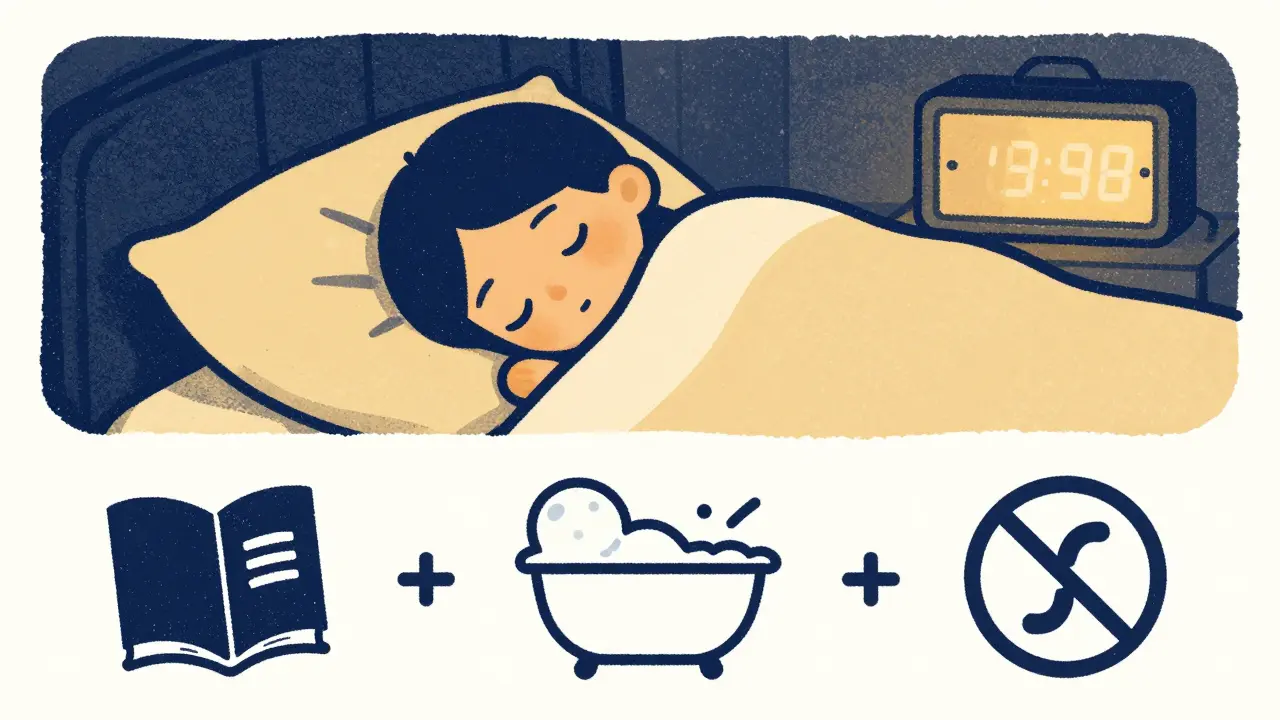
Before considering melatonin, you must exhaust all non-pharmacological options. The AASM’s June 2023 Health Advisory explicitly states that many sleep problems can be better managed with changes to schedules, habits, or behaviors. Melatonin is not a substitute for a good bedtime routine.
Effective sleep hygiene includes:
- Consistent Schedule: Wake up and go to bed at the same time every day, even on weekends.
- Light Management: Limit exposure to blue light from screens (phones, tablets, TVs) at least one hour before bed. Blue light suppresses natural melatonin production.
- Calm Environment: Ensure the bedroom is cool, dark, and quiet. Use blackout curtains if necessary.
- Routine: Establish a calming pre-sleep ritual, such as reading a book or taking a warm bath.
- Limit Caffeine: Avoid caffeine-containing foods and drinks in the afternoon and evening.
Dr. Burns from Children's Colorado emphasizes that melatonin should only be considered if all important sleep hygiene steps have been exhausted and the child still struggles to fall asleep. Often, addressing these environmental and behavioral factors resolves the issue without any medication.
When to Talk to Your Pediatrician
You should consult your child’s healthcare provider before starting melatonin if:
- Your child is under 3 years old.
- Your child has existing health conditions or takes other medications.
- You plan to use melatonin for more than a few weeks.
- Your child experiences side effects like mood changes or excessive daytime sleepiness.
The AAP advises parents to always talk with their pediatrician about the proper dose and timing. Your doctor can help determine if the sleep difficulty is due to an underlying medical issue, such as sleep apnea or restless leg syndrome, which melatonin will not fix and could mask.
Is melatonin safe for toddlers?
Melatonin is generally not recommended for children under the age of 3. At this age, sleep issues often resolve naturally with time and improved routines. If you believe your toddler needs melatonin, consult your pediatrician first, as the safety profile for very young children is not well-established.
How long can a child take melatonin?
For most healthy children, melatonin should be used short-term, typically no longer than two to three weeks. Longer-term use is sometimes prescribed for children with neurodevelopmental disorders like autism or ADHD, but this requires close monitoring by a specialist.
Can melatonin affect my child's growth or puberty?
There are theoretical concerns because melatonin interacts with hormones involved in puberty. However, current research does not show a direct causal link between short-term melatonin use and early puberty or stunted growth. Long-term studies are still needed to fully understand these potential effects.
What should I do if my child overdoses on melatonin?
Symptoms of overdose include vomiting, rapid heart rate, and low blood pressure. If you suspect an overdose, contact your local poison control center or seek emergency medical attention immediately. Do not wait for symptoms to worsen.
Are all melatonin supplements the same?
No. Because melatonin is sold as a dietary supplement in the US, it is not strictly regulated by the FDA. Studies have shown significant variations in the actual amount of melatonin in products compared to the label. Look for products with the USP Verified Mark to ensure purity and accuracy.