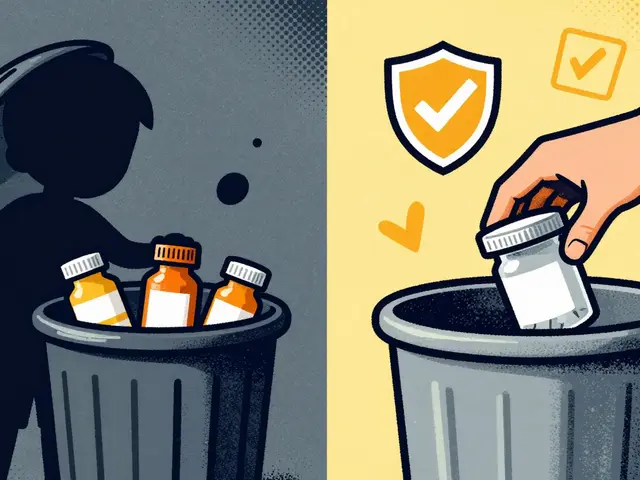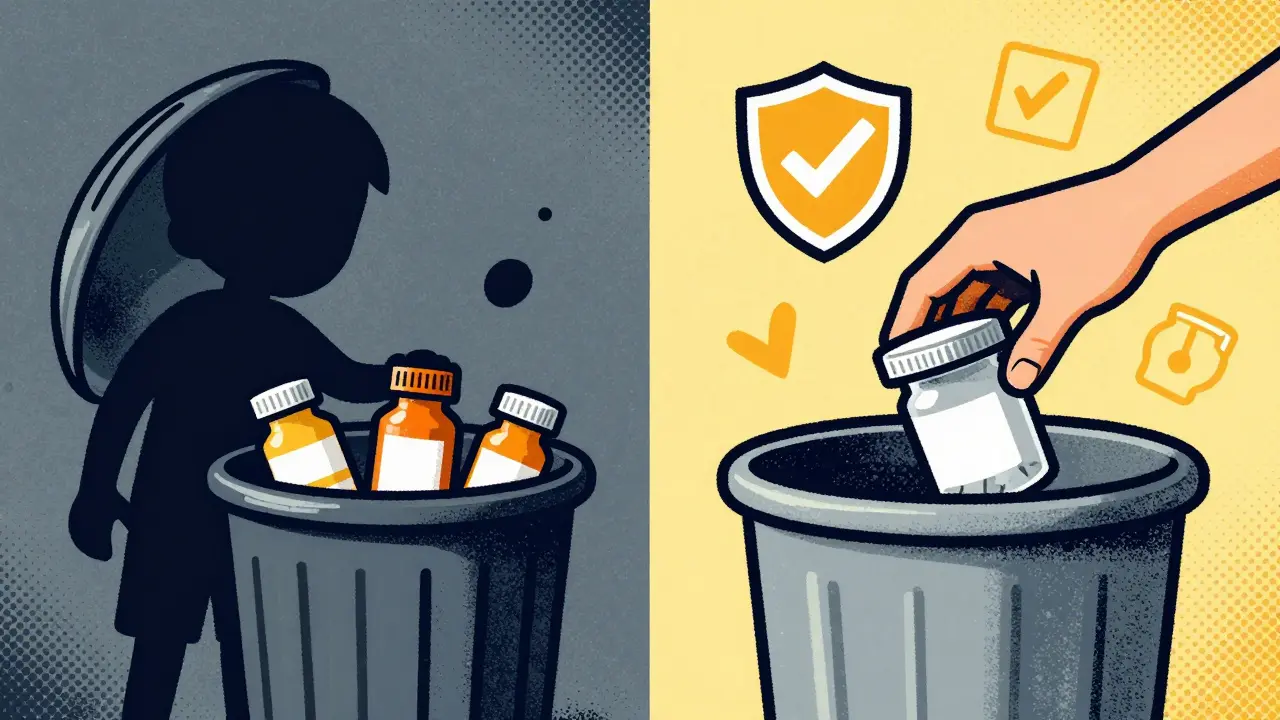
Throwing a bottle of pills directly into the bin might seem like the easiest way to clear out your medicine cabinet, but it’s actually a risky move. If you don’t do it right, you’re leaving personal information exposed and making those drugs accessible to kids, pets, or anyone who rummages through the trash. On the flip side, flushing them can poison local water supplies. So, how do you strike the balance between safety for people and safety for the planet? The answer lies in a specific method endorsed by health agencies that turns your regular household trash into a secure disposal site.
You don’t need special equipment or expensive services to dispose of most medicines correctly. By following a few simple steps involving items you likely already have at home-like coffee grounds or cat litter-you can neutralize the risk of misuse and protect your privacy. This guide breaks down exactly what to do, when to skip the trash entirely, and why these small actions matter for public health.
Why Proper Disposal Matters More Than You Think
It’s easy to overlook the danger of leftover meds sitting in a drawer. But statistics paint a worrying picture. Every year, there are roughly 45,000 emergency room visits caused by children under six accidentally swallowing medication found at home. Beyond accidental poisoning, there is the issue of misuse. Unused prescription drugs often end up being diverted-meaning they leave your house and get used by someone else without a doctor’s oversight. This contributes significantly to the thousands of deaths linked to prescription drug misuse annually.
Then there is the environmental angle. When we flush medications, they bypass wastewater treatment plants and end up in rivers, lakes, and drinking water sources. Studies show pharmaceutical compounds are detected in a large percentage of U.S. waterways. While throwing meds in the trash isn't perfect-it can still lead to some leaching in landfills-it is far safer than flushing for the vast majority of drugs. It reduces immediate diversion risks by about 90% compared to just keeping them at home.
Check Before You Toss: Is Your Drug on the Exception List?
Before you start mixing things with dirt, you need to check one crucial thing: does your medication appear on the FDA Flush List? This is a short list containing only 15 drugs as of late 2023. These include potent opioids like fentanyl patches and certain strong sedatives. If your medication is on this list, do not throw it in the trash. The guidance here is clear: flush it immediately. The risk of a child or teen finding it and overdosing is considered so severe that protecting the water supply takes a back seat.
If your drug is not on that list, you should also check the label or patient information leaflet inside the box. Sometimes manufacturers provide specific instructions. If the label says "flush," follow that instruction. If it doesn’t mention flushing or give specific directions, then household trash disposal is your next best option, provided you cannot find a take-back program nearby.
The Gold Standard: Look for Take-Back Programs First
While household trash is a safe backup, the absolute best way to dispose of medications is through a drug take-back program. These programs collect unused drugs and destroy them securely, eliminating any risk of diversion or environmental contamination. In the United States, there are over 14,600 authorized collection sites. You’ll often find drop-boxes at police stations, fire departments, or pharmacies like Walgreens, which has more than 1,500 locations with disposal kiosks.
Take-back events are also common. The Drug Enforcement Administration (DEA) hosts National Prescription Drug Take Back Days twice a year. During these events, you can drive up to a collection point and hand over your meds for free. However, access can be tricky. Rural areas often have fewer options, with only about 42% of rural counties having consistent access to take-back locations. If you live in an area with limited access, or if you simply can’t make it to a drop-off point, that’s when the household trash method becomes essential.
Step-by-Step: How to Dispose of Meds in Household Trash
If take-back isn’t an option and your drug isn’t on the flush list, here is the precise protocol recommended by the FDA and EPA. It’s straightforward, but skipping steps can compromise safety.
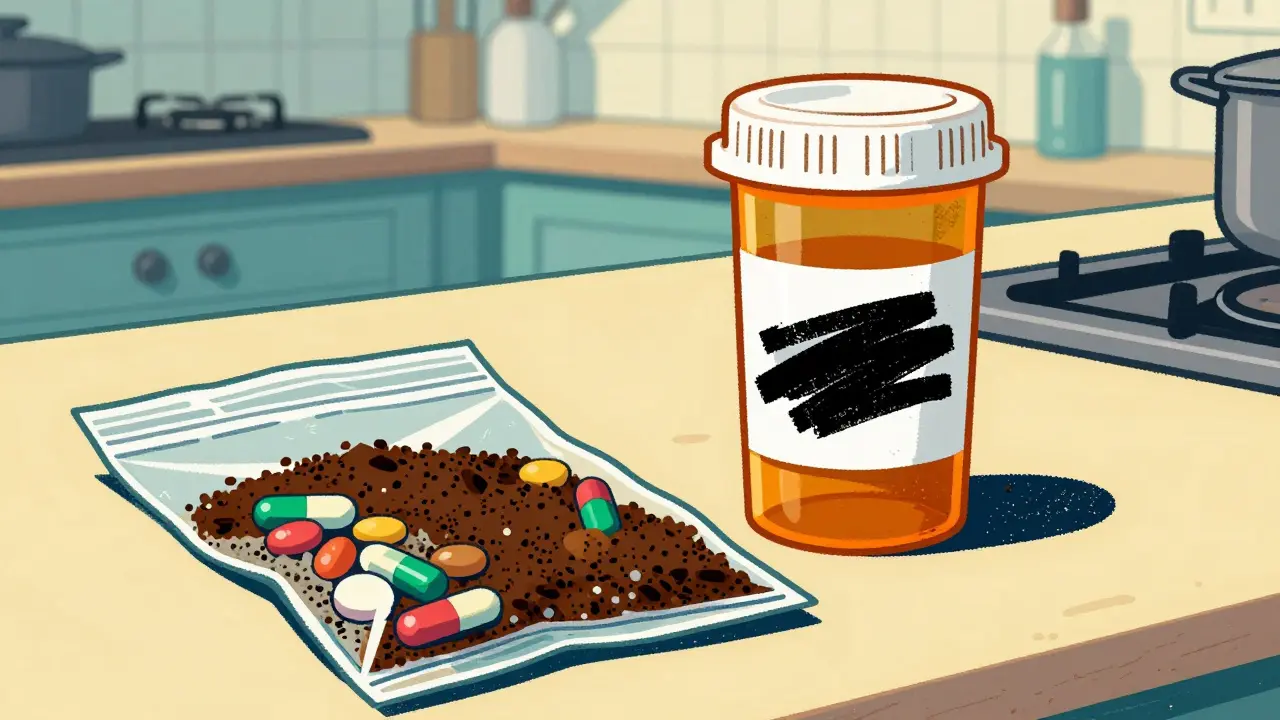
- Remove from original containers: Take the pills, capsules, or liquid out of their prescription bottles or blister packs. Leaving them in recognizable packaging makes it easy for someone to identify what they are.
- Mix with an unappealing substance: You need to make the medication look and smell terrible. Mix the drugs with something gross like used coffee grounds, cat litter, or dirt. Use a ratio of at least 1:1. If you have a handful of pills, use a handful of coffee grounds. This deters children, pets, and anyone looking to misuse the drugs.
- Do not crush tablets: A common mistake is crushing pills before mixing. Don’t do this. Crushing can release potent particles into the air that you could inhale. Just mix them whole.
- Seal in a leak-proof container: Put the mixture into a sealed container. An empty margarine tub, a yogurt cup with a tight lid, or a resealable plastic bag works perfectly. Make sure it won’t leak if it gets squished in the trash bin.
- Obscure personal information: Before tossing the original prescription bottles, you must protect your identity. HIPAA regulations require you to hide personal data. Use permanent marker, duct tape, or scratch off your name, address, phone number, and prescription number on the label. Once the info is gone, you can recycle the bottle if your local facility accepts #5 amber plastic, though many do not.
- Throw it away: Place the sealed container and the defaced bottles in your household trash.
This process takes about five to ten minutes. Most households have coffee grounds or cat litter on hand, making this method accessible to everyone regardless of income.
Common Mistakes to Avoid
Even with clear guidelines, people often slip up. Data from post-market surveillance shows that nearly 40% of improper disposal cases involve failing to obscure personal information on prescription labels. This puts your identity at risk. Another frequent error is using too little mixing material. If you only sprinkle a tiny bit of coffee grounds over a dozen pills, it’s not enough to deter curiosity. Stick to that 1:1 ratio.
Some people also try to wash liquids down the sink drain, thinking it’s cleaner than the trash. Unless the label explicitly says to flush, avoid drains. Even small amounts of active ingredients can accumulate in water systems. Instead, pour liquid medications onto the coffee grounds or cat litter until they are fully absorbed, then seal them in the bag as described above.
| Method | Safety Risk (Diversion) | Environmental Impact | Accessibility |
|---|---|---|---|
| Take-Back Programs | Very Low (Gold Standard) | Low (Secure Destruction) | Variable (High in urban, low in rural) |
| Household Trash (Properly Mixed) | Low (If sealed/mixed correctly) | Moderate (Potential landfill leaching) | High (Available everywhere) |
| Flushing (Non-Flush List Drugs) | Very Low | High (Water contamination) | High (Immediate) |
| Flushing (Flush List Drugs) | Low (Prevents fatal overdose) | High (Water contamination) | High (Immediate) |
| Leaving in Medicine Cabinet | High (Risk of theft/misuse) | None | N/A |
Special Considerations for Different Medication Types
Not all medications behave the same way during disposal. Solid pills are the easiest to handle. Liquids require absorption materials like cat litter or paper towels mixed with the coffee grounds. What about transdermal patches, like nicotine or pain relief patches? These still contain residual medication even after use. Cut them into pieces, fold them onto themselves so the sticky side touches, and mix them with the coffee grounds before sealing. Never throw used patches loose in the trash; they can stick to other items and remain partially active.
What about commercial disposal products? You might see packets like DisposeRx at the pharmacy counter. These contain powder that turns meds into a solid gel when mixed with water. They are convenient and certified by the EPA’s Safer Choice program. However, they aren’t necessary. Experts note that common household items like coffee grounds are equally effective for preventing diversion. Save your money and use what you have at home.
Regulatory Landscape and Future Trends
The rules around medication disposal have tightened over the years. The Secure and Responsible Drug Disposal Act of 2010 made it easier for pharmacies and law enforcement to offer take-back programs. Today, 48 states have some form of take-back infrastructure. There is also a push toward better accessibility. For example, California passed legislation requiring larger pharmacy chains to install disposal kiosks, aiming to cover 98% of residents.
Innovations are on the horizon too. Researchers are exploring water-soluble packaging that would dissolve harmlessly, potentially eliminating disposal dilemmas altogether. Until then, the responsibility falls on us. With only about a third of Americans aware of proper disposal methods, sharing this knowledge helps reduce the burden on our healthcare and environmental systems.
Remember, disposing of medications safely is a small act with big implications. It protects your family from accidents, keeps drugs out of the wrong hands, and minimizes harm to our water sources. By taking five minutes to mix, seal, and obscure, you contribute to a safer community.
Can I recycle my prescription pill bottles?
Generally, no. Most standard amber prescription vials are made from #5 polypropylene plastic, which is not accepted in curbside recycling programs in about 87% of U.S. municipalities. Additionally, they often have labels with adhesives that contaminate the recycling stream. Always scrub off or black out personal information before discarding them in the trash. Some pharmacy chains, like CVS or Walgreens, may have specific recycling bins for these bottles in-store, so it’s worth asking.
Is it safe to put expired medicine in the trash?
Yes, as long as you follow the proper mixing and sealing steps. Expired medications lose potency over time, but they can still be harmful if ingested in large quantities or misused. The expiration date doesn’t change the disposal protocol. Treat expired meds the same as unused ones: mix with an unappealing substance, seal in a leak-proof container, and throw in the household trash.
Why shouldn't I crush my pills before disposing of them?
Crushing pills can release fine dust particles into the air. If the medication is potent, such as certain steroids or chemotherapy drugs, inhaling these particles can cause respiratory irritation or other health issues. It’s safer to mix the whole pills with coffee grounds or cat litter to ensure they are physically broken down and obscured without creating airborne hazards.
What if I live in a state with strict medical waste laws, like California?
California has stricter regulations than federal guidelines. The California Department of Public Health prohibits disposing of any medication down the drain. While federal guidelines allow flushing for specific high-risk drugs, California advises against it. In such states, prioritize take-back programs. If unavailable, the household trash method with mixing and sealing is generally accepted for non-controlled substances, but always check with your local health department for the most current local ordinances.
How do I dispose of liquid medications safely?
Pour the liquid medication onto an absorbent, unappealing material like used coffee grounds, cat litter, or paper towels. Ensure the liquid is fully absorbed. Then, place this mixture into a sealed plastic bag or container. Do not pour liquids down the sink or toilet unless the label explicitly instructs you to flush. Seal the container tightly before placing it in the household trash.